How do we make NCD care safer across the entire patient journey—from prevention and diagnosis to treatment, continuity and long-term care? This question was central to the 2026 World Patient Safety Day theme, “Safe care for noncommunicable diseases”, with the slogan “Safe care for life!”. The call to action is to build health systems that make unsafe care easier to detect, easier to learn from and harder to repeat—which is precisely where patient safety meets quality improvement.
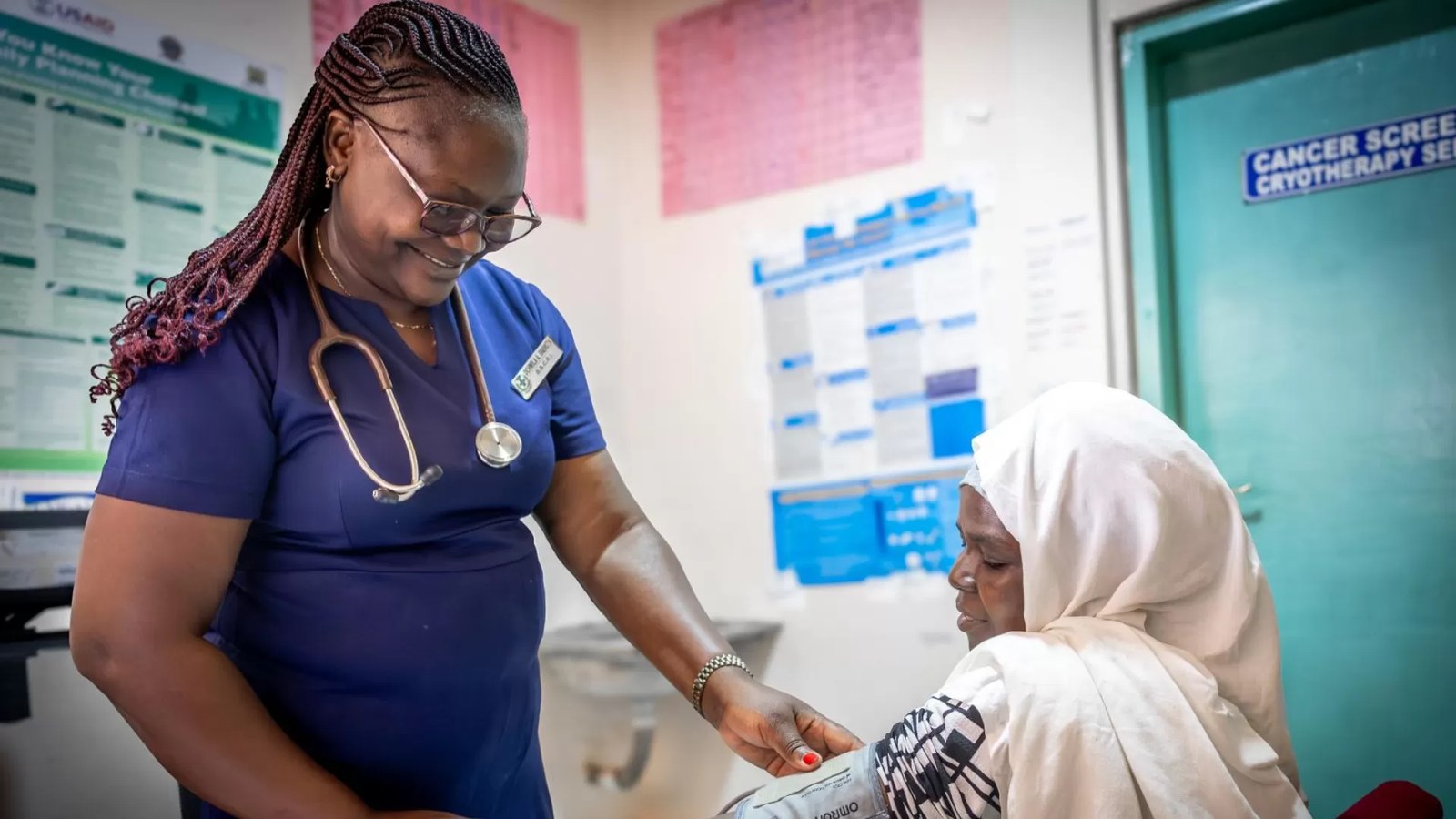
The question matters particularly in Africa, where the burden of non-communicable diseases (NCDs) is rising rapidly and where access barriers, fragmented services and shortages of medicines, technology and health workers can compound clinical risks. Delays and errors made in the course of receiving care are all too common — WHO estimates that they occur in as many as one patient in ten. But the good news is that errors can be prevented. The Global Patient Safety Action Plan 2021–2030 is a global road map for the prevention of harm.
A new WHO 2025/26 regional patient-safety survey covering 44 of the 47 countries in the WHO African Region found uneven progress in implementing the Action Plan. Clinical processes emerged as the strongest area assessed, while information and learning systems showed the largest gap. WHO also identified continued needs around workforce capacity, patient and family engagement, and partnerships.
That finding changes how we should think about patient safety. Safety risks can occur anywhere in the patient’s journey: from prevention and early detection through diagnosis, treatment, long-term management and self-care in homes and communities. They will not be minimised by better clinical practice alone, but by stronger primary healthcare, meaningful engagement of people living with NCDs, and the integration of patient-safety principles into NCD policies and programmes.
For the healthcare worker, the practical message is this: do not look only at whether today’s clinical encounter was safe. Look at whether the patient’s entire journey is safe.
The five WHO goals for 2026
- Partner with people with lived experience and civil society. Involve people living with NCDs and communities in identifying safety risks and co-designing safer care.
- Strengthen prevention and risk assessment. Identify and address NCD risk factors early to prevent disease, complications and avoidable harm.
- Provide early detection, accurate diagnosis and integrated management. Detect NCDs early, improve diagnostic accuracy and ensure coordinated, timely management of patients.
- Secure access and safe use of medicines and medical devices. Ensure reliable access to appropriate medicines and devices while reducing the medication- and device-related harm associated with long-term therapy.
- Strengthen care coordination, continuity and transitions of care. Ensure safe handovers, referrals, follow-up and information-sharing across providers and levels of care.
WPSD 2026 moves beyond simply raising awareness about the safety needs of patients with NCDs to examining ways of making NCD care safer across the entire patient journey — from prevention and diagnosis to treatment, continuity and long-term care. Patient safety is everyone’s business.
Lessons from Kenya
Aga Khan University Hospital World Patient Safety Day Conference

Aga Khan University Hospital in Nairobi hosted a three-day event from 9–11 September to mark World Patient Safety Day. It addressed many dimensions of patient safety with a focus on safety for patients with non-communicable diseases. Topics covered included diagnostic safety, medication safety, primary healthcare, digital health, patient engagement, care coordination, outcome measurement, accreditation, workforce development and quality improvement.
Safety also has an economic dimension. Quality and patient safety are sometimes treated as administrative costs, but they have real consequences for patients, families, providers and health systems.
“Investing in patient safety not only saves resources but, more importantly, saves lives and improves health outcomes.”
Dr Neema Rusibamayila Kimambo, WHO Representative to Kenya
The conference programme also included a panel on building capacity for safer NCD care through workforce, leadership and quality improvement, featuring leaders from Kenya’s quality and health-system space, including Dr Lydia Okutoyi, Director of Quality at Kenyatta National Hospital and co-founder of ACQUIRE Frontline. Patient safety must be discussed through the language of frontline capability, leadership and improvement systems, rather than as a standalone compliance activity.
Aga Khan University WPSD 2026 conference and programme · Aga Khan University Hospital’s report on the conference
Some existing initiatives
Examples of integrated NCD care programmes include PEN-Plus and Women’s Integrated Cancer Services (WICS), and WHO identified Kenya as a pioneer country for these initiatives.
PEN-Plus brings specialised care for severe NCDs closer to communities through first-level referral facilities. WHO reports that Kenya has implemented the approach in Vihiga and Isiolo, while further scale-up is underway. This is a patient-safety intervention as much as an access intervention. When specialised care is located closer to patients, the system can reduce some of the risks created by long travel distances, delayed diagnosis and loss to follow-up.
Likewise, integrated screening approaches can reduce the number of separate encounters a patient must navigate. WHO’s 2026 reporting notes the use of cancer-screening and treatment equipment, including thermo-ablation and LEEP machines, alongside training and quality-data activities in Bungoma and Nyandarua.
Sometimes the safest care pathway is the one that asks the patient to navigate less.
ISQua Africa Community of Practice (AfCOP) webinar
The ISQua Africa Community of Practice (AfCOP) marked World Patient Safety Day 2026 with a reflective webinar, “No News Is Not Good News: Rethinking Safety in NCD Care Across Africa.” The discussion recognised that, for people living with noncommunicable diseases, patient safety extends far beyond hospitals and clinics; it depends on what happens across prevention, screening, diagnosis, medication, referral, follow-up, community and home.
Through the journey of Amina, a 42-year-old market trader whose hypertension is identified during community screening, the panellists examined how she is screened, referred, obtains medication and eventually sees a clinician — yet disappears from follow-up and later suffers a stroke. Rather than asking only what went wrong at the time of Amina’s stroke, the webinar invited participants to consider a more important question: when did the patient-safety risk actually begin?
Together, the panellists and audience explored vulnerabilities in early detection, access to care, diagnostic safety, medication reconciliation, health literacy, communication, continuity of care and closed-loop referrals, while identifying realistic changes that could alter the trajectory for the next Amina. Because in chronic disease care, no news is not necessarily good news — the question is whether anyone is listening for the silence.
Ghana: patient safety is everybody’s work — and it starts before the hospital
FOCOS Orthopaedic Hospital, Pantang, Accra
“Patient safety is not the responsibility of one department or group of healthcare professionals. It is everyone’s responsibility.”
Dr Arthur Sackey Fio, Head of Orthopaedics, FOCOS Orthopaedic Hospital
The event highlighted practical safeguards that can easily become routine:
- accurate patient identification;
- effective communication;
- proper documentation;
- safe medication practices;
- clinical handovers;
- regular monitoring;
- timely follow-up;
- and speaking up about concerns and near misses.
Importantly, FOCOS did not define safety simply as getting the diagnosis right. The emphasis was on getting the right patient the right treatment at the right time, supported by communication, documentation, monitoring and follow-up.
Dr Efua Commeh pointed out that prevention is part of patient safety. Health education, such as on risk factors for NCDs, is not simply a public-health activity — health literacy can function as a safety barrier. A patient who understands why their medicines matter, when a symptom is dangerous and when to return to care is more likely to recognise risk early.
Read the Graphic Online report from the FOCOS event
Ghana Patient Safety Forum 2026
Another development deserves particular attention from quality professionals: the Ghana Patient Safety Forum 2026, held at The Bank Hospital in Accra on 17 September. Its premise was to move from national commitment to daily practice, with sessions on:
- human factors and ergonomics;
- patient and family co-production;
- teamwork and communication;
- speaking-up culture;
- incident reporting;
- root-cause analysis;
- and translating experience into tools and commitments that can return with delegates to their facilities.
The human-factors component is especially relevant. Instead of saying “staff need to be more careful,” human-factors thinking asks: how should we redesign the environment so that safer action is easier? That could mean clearer medication labels, better equipment layout, more usable forms, fewer interruptions or more reliable handover structures.
Explore the Ghana Patient Safety Forum 2026 programme
Nigeria: moving patient safety into clinical governance
Nigeria’s WPSD 2026 response placed strong emphasis on the architecture behind safe care. The Federal Ministry of Health and Social Welfare said the country developed its National Patient Safety and Care Quality Policy and Implementation Strategy in 2024 and established a National Task Force on Clinical Governance and Patient Safety in January 2026. The ministry is now developing a National Framework on Clinical Governance and Patient Safety intended to strengthen governance, accountability, QI, incident learning, monitoring and reporting. This matters because a health system cannot rely on individual champions to sustain patient safety indefinitely.
The Nigerian message was that safer care requires:
- strong governance;
- clear standards;
- supported health workers;
- reliable data;
- incident-reporting and learning systems;
- quality-improvement mechanisms;
- and meaningful patient and family engagement.
The ministry also explicitly called for a Just Culture in which healthcare workers can report incidents, near misses and safety concerns without inappropriate punishment. Professor Muhammad Ali Pate summarised the direction with a useful improvement sequence:
“Let us move from commitment to action; from reporting to learning; and from learning to sustained improvement.”
Professor Muhammad Ali Pate, Coordinating Minister of Health and Social Welfare, Nigeria
That sequence could become the operating model for many hospital patient-safety committees.
Professional mobilisation in Nigeria
The Society for Quality in Health Care in Nigeria (SQHN) and Iwosan Healthcare Systems also marked WPSD with a virtual summit titled “Closing the Gaps: Making NCD Care Safer in Nigeria.” The programme was structured around the whole NCD care journey, while SQHN also promoted a Patient Safety Pledge.
This is significant because it shows the professional community approaching the problem from the opposite direction to government: not primarily through national governance structures, but through professional education, collaboration, quality standards and practical commitments.
Explore SQHN’s WPSD 2026 materials and summit information
South Africa: safety also means maintaining the standards beneath the system
South Africa contributed an important regulatory perspective through the Office of Health Standards Compliance (OHSC). On WPSD 2026, the OHSC emphasised that the theme reinforces the need for health establishments to consistently meet regulated norms and standards throughout the patient journey. Its mandate includes protecting the health and safety of users by monitoring compliance with prescribed standards.
The lesson for QI teams is easy to overlook: innovation should not distract from reliability. A hospital can introduce sophisticated dashboards, AI tools and new clinical pathways, but basic safety standards still matter — infection prevention, medicine management, documentation, equipment, infrastructure, staffing and clinical governance.
Quality improvement should raise the floor as well as the ceiling.
What the African WPSD 2026 conversation says about quality improvement
1. Continuity is not an administrative issue. It is a safety intervention.
A referral form, handover, discharge summary or follow-up register may look administrative, but if information is lost, continuity of care is lost and the patient is at risk of harm — and the failure is clinical.
Every QI team should therefore ask:
- How do we know that a referral was completed?
- How do we know that an abnormal result was acted upon?
- How do we know that a discharged high-risk patient received the next service?
A closed-loop referral system is not bureaucracy. It is a clinical safety barrier.
2. Medication reconciliation should become routine for complex patients
NCD care is particularly exposed to polypharmacy. Medication reconciliation should therefore happen at transitions of care and should identify omissions, duplications, interactions and changes that the next clinician may otherwise miss. WHO’s Goal 4 specifically highlights polypharmacy and transitions as important medication-safety risks.
A useful improvement project could measure the percentage of eligible patients with documented medication reconciliation at admission, transfer and discharge. That is a measurable QI indicator rather than a vague aspiration.
3. Documentation should make the next decision safer
A useful clinical record should allow another healthcare worker to understand:
- what was found;
- what was considered;
- what treatment was initiated;
- what risks were identified;
- which tests are still pending;
- what monitoring is required;
- when follow-up should occur;
- who owns the next step;
- and what the patient should do if they deteriorate.
The question should not be “did we document?” It should be: “would another clinician be safer because we documented?”
4. Incident reporting has little value if nothing is learned
WHO’s African regional findings identified information and learning systems as a major gap. That makes incident reporting one of the most important improvement opportunities. But reporting alone is not enough. A mature safety system has a loop:
Report → Analyse → Learn → Change → Measure → Feedback
To foster safer healthcare environments, reporting mechanisms must move towards facilitating organisational learning. This requires establishing non-punitive frameworks, conducting system-oriented root-cause analyses and maintaining consistent feedback loops with frontline staff. A reporting system that sends information into a black hole will eventually lose the confidence of frontline staff.
5. Patients should become another layer of the safety system
WPSD 2026 calls for people living with NCDs to be partners in making care safer. Patients notice things healthcare workers may miss. They know whether a medicine is impossible to obtain. They know when instructions are confusing. They know whether the next appointment is realistically accessible. They know whether a referral process makes sense. They also frequently notice symptoms before anyone else does. Patient engagement therefore needs to become part of the workflow, not something added to a strategy document or a PowerPoint slide.
6. Health-worker safety and patient safety are connected
Workforce capacity and working conditions are critical in the safety conversation. A health worker operating in a poorly organised environment, with inadequate information, insufficient equipment, excessive interruptions or limited support is being asked to create reliability inside an unreliable system.
For QI leaders, that means asking not just “where did the clinician make an error?” but “what conditions made that error more likely?” That is the beginning of human-factors thinking.
ACQUIRE Frontline’s work on NCDs
ACQUIRE Frontline’s work already offers several practical examples of what safer NCD care can look like in African health facilities. Across these projects, frontline teams have addressed challenges ranging from early detection and screening to treatment, medication access, patient engagement and continuity of care.
- Improving Primary Health Care for Hypertensive and Diabetic Patients — Nyandarua County, Kenya. The project strengthened care across nine facilities through routine blood-pressure and blood-sugar monitoring, complication screening, health education, improved medicine availability, record keeping and staff capacity building. Between July and December 2022, 1,691 patients were reached. Read more
- Treatment Optimization for Newly Diagnosed Diabetes Mellitus Patients — Ndaragwa Health Centre, Kenya. The team identified inadequate nutritional and adherence counselling, financial barriers and medicine shortages as contributors to poor glycaemic control. Interventions included nutritional and adherence counselling and efforts to improve access to medicines — highlighting the importance of addressing safety risks beyond the consultation room. Read more
- Improving Diabetes Nephropathy Screening — JM Kariuki Memorial County Referral Hospital, Kenya. The team sought to increase nephropathy screening among patients attending the diabetic clinic from 15% to 95%. The project demonstrates how systematic screening can support earlier detection of complications and safer long-term management of diabetes. Read more
- Improving Diabetes Foot Screening — Kenyatta National Hospital Diabetes Clinic, Kenya. ACQUIRE-supported work at the KNH Diabetes Clinic focused on strengthening foot screening for people living with diabetes. This sits directly within the need to identify complications early and prevent avoidable harm during long-term NCD care. Read more
- Improving Patient Satisfaction and Turnaround Time for OGTT — AIC Kijabe Hospital, Kenya. The team used PDSA cycles to improve the experience and timeliness of oral glucose tolerance testing. Patient feedback was incorporated into the improvement process, with reported satisfaction increasing from 25.9% to 71.4% after the intervention. Read more
- Diabetes Quality Improvement Collaborative — AIC Kijabe Hospital, PCEA Chogoria Hospital and Kimende Orthodox MHC, Kenya. From September 2022 to May 2023, 20 healthcare workers participated in a collaborative focused on improving diabetes care. Projects included a diabetes tracker to help identify patients requiring follow-up and improve monitoring of HbA1c. The experience also showed how involving patients and learning from data can reveal gaps in care systems that might otherwise be mistaken for patient non-adherence. Read more
- Reducing Patient Waiting Time in the Cardiology Outpatient Clinic — AIC Kijabe Hospital, Kenya. This 2026 Cohort 2 project is addressing timely access to cardiology services — an important component of safe cardiovascular care, where delays can affect diagnosis, treatment and continuity. Read more
- Improving Cervical Cancer Screening among Women Living with HIV — AIC Kijabe Hospital, Kenya. Also part of 2026 Cohort 2, this project focuses on increasing cervical cancer screening among women aged 25–65 years. It connects quality improvement with prevention and early detection, two important points along the NCD care continuum. Read more
- Improving Prompt Documentation on the EMR among Clinicians — Lakeshore Cancer Center, Nigeria. This 2026 Cohort 2 project is strengthening documentation in a cancer-care setting. Reliable clinical information is essential for safer diagnosis, treatment decisions, communication between providers and continuity of care. Read more
- Improving Haemoglobin Outcomes among Haemodialysis Patients — Africa Health Network, Nairobi, Kenya. The 2026 Cohort 2 team is working to increase the proportion of haemodialysis patients achieving haemoglobin levels above 10.5 g/dL from 30% to 60%. The project illustrates the role of continuous monitoring and systematic management in the care of people living with chronic kidney disease. Read more
- Improving Patient Treatment Sheet Data Entry Completeness in the Dialysis Unit — Africa Health Network TZ DCMC Center, Tanzania. This 2026 Cohort 2 project focuses on the completeness of treatment documentation in dialysis care. Although seemingly administrative, accurate information is fundamental to safe treatment, communication and continuity for patients requiring repeated care. Read more
Taken together, these projects show that safe NCD care is not a single intervention. It involves detecting problems early, getting the diagnosis and monitoring right, ensuring appropriate treatment, listening to patients, maintaining accurate information and coordinating care over time. That is precisely where quality improvement can translate the broad message of “Safe care for life!” into changes at the point of care.
Join us for the next cohort together with your team.
Try this: a practical safety huddle for tomorrow morning
A healthcare team could take just five minutes and ask:
- Which patient today is at greatest risk of harm?
- What information must not be lost when this patient moves to the next service?
- Are there any medication or diagnostic risks we need to intercept?
- What does the patient or caregiver need to understand before leaving?
- What can we learn from a near miss or process failure today?
These questions turn WHO’s 2026 campaign into frontline behaviour.
What Africa can take forward after 17 September
The most interesting feature of World Patient Safety Day 2026 was not that African countries repeated the WHO slogan. It was how differently they translated it.
- Kenya used a major academic-hospital conference to connect patient safety with diagnostic excellence, medication safety, digital health, financing, quality improvement, workforce capacity and continuity of care.
- Ghana brought patient safety into hospital practice through communication, documentation, medication safety, handovers and patient participation, while also arguing that prevention and health literacy belong within the safety agenda.
- Nigeria connected patient safety to clinical governance, national standards, reporting and learning systems, quality improvement and a Just Culture.
- South Africa reinforced the importance of maintaining reliable standards throughout the patient journey.
- Ethiopia’s continuing work shows how incident reporting, patient identification, national frameworks and facility-level implementation can move from individual initiatives toward a national learning system.
And the ISQua Africa Community of Practice brought perhaps the most provocative question into the conversation:
When the patient stops appearing at the clinic, who notices?
That question captures something important about NCD care. The most dangerous safety failure may not always occur during an operation or medication administration. Sometimes it occurs in the silence between two appointments.
The real meaning of “Safe care for life!”
The slogan is particularly appropriate for NCD care because these patients are not passing through the healthcare system once. They are living with it. That means patient safety has to extend from the community to the clinic; from diagnosis to treatment; from prescription to home; from referral to follow-up; and from today’s healthcare worker to the next person who will care for the patient.
For African healthcare systems, the opportunity is bigger than celebrating a global health day. It is to build organisations that learn. Organisations where near misses are visible. Where patients are heard. Where referrals are trackable. Where medicines are reconciled. Where documentation helps the next clinician. Where standards are made reliable. Where frontline workers can speak up. Where improvement begins with small changes and is sustained through measurement. And where quality is not considered complete until care is also safe.
The most meaningful WPSD commitment for a healthcare team may therefore be remarkably simple:
“In the next 30 days, we will identify one preventable risk in our patient journey, test one system improvement, involve patients in evaluating it, measure what changed and share what we learn.”
That is how a campaign becomes a culture. And that is how Safe Care for Life becomes more than a slogan.
Explore the African WPSD 2026 conversation
WHO
- WHO World Patient Safety Day 2026 campaign
- WHO World Patient Safety Day 2026 goals
- WHO global webinar — Safe care for noncommunicable diseases
- WHO Africa — regional patient-safety survey
Kenya
- Aga Khan University WPSD 2026 Conference
- Aga Khan University Hospital — Health leaders call for safer NCD care
- WHO Africa — Kenya and patient safety for people living with NCDs
- WHO — PEN-Plus in Kenya
Ghana
- Graphic Online — WPSD commemorated in Accra
- Ghana Patient Safety Forum 2026
- 3News — Safe care must be the heartbeat of Ghana’s health system
Nigeria
- Federal Ministry of Health — Nigeria strengthens patient safety systems
- Society for Quality in Health Care in Nigeria