2026 ACQUIRE Quality Improvement & Patient Safety Experiential Leadership - Cohort 2
Quality Takes A Team!
Across sub-Saharan Africa, 60 frontline healthcare teams from 10 countries are applying improvement science to real challenges in their own institutions — building A3 projects on problems they identified themselves, supported by 32 coaches. At a time when poor quality of care remains a major driver of preventable harm, these teams are showing that locally led, data-driven improvement is both possible and scalable. Their work is underway now, with 52 teams having submitted their experiential letters and 59 having received formal review of their A3s, and it will culminate in a graduation that offers practical lessons for any institution seeking to improve care.

Cohort 2 Team Projects
61 teams · Browse the project titles.
Watch the teams present their QI projects — and graduate.
Tue 6 · Wed 7 · Thu 8 October 2026 · 5–7 PM EAT (2–4 PM GMT)
Green Teams
Team members, coaches, hospital leaders, family & friends
Yellow Teams
Team members, coaches, hospital leaders, family & friends
Register once for your stream to join all three days.
The ACQUIRE QI-PS Experiential Leadership Program is a 18-week, practice-based learning journey that helps frontline healthcare teams turn improvement knowledge into measurable action within their own institutions. Through continuous learning, coaching, peer exchange, real-world testing, and repeated PDSA cycles, teams strengthen systems of care while building lasting local capability. This is one of the ways ACQUIRE advances its vision of building learning health systems that ensure high-quality health care for everyone in sub-Saharan Africa.
Why an Experiential Approach?
“Experiential: based on or involving experience”
– Oxford Learners Dictionary
An estimated 5.7 and 8.4 million deaths per year occur among people who use health care services because of poor quality of care in low and middle-income countries, accounting for as much as 15% of all deaths (1). This harm to patients rarely results from a single mistake. Instead, it usually arises from a combination of interacting factors within complex healthcare environments. This is why Continuous Quality Improvement (CQI) as a structured and ongoing approach to improving processes and outcomes is important.
To prevent harm, healthcare facilities need to take deliberate steps to ensure they are consistently providing care that reflects what matters to patients: care that is Safe, Timely, Effective, Efficient, Equitable, and Patient-Centered (2). They can only do this by applying improvement science; testing new interventions, learning from the data they generate, and sharing lessons.
This is the foundation of the ACQUIRE QI-PS Experiential Leadership Program: learning by doing. We believe that while theoretical learning is important, true learning can only be achieved by doing; and by doing repeatedly within and across institutions.
What is the ACQUIRE QI-PS Experiential Leadership Program?
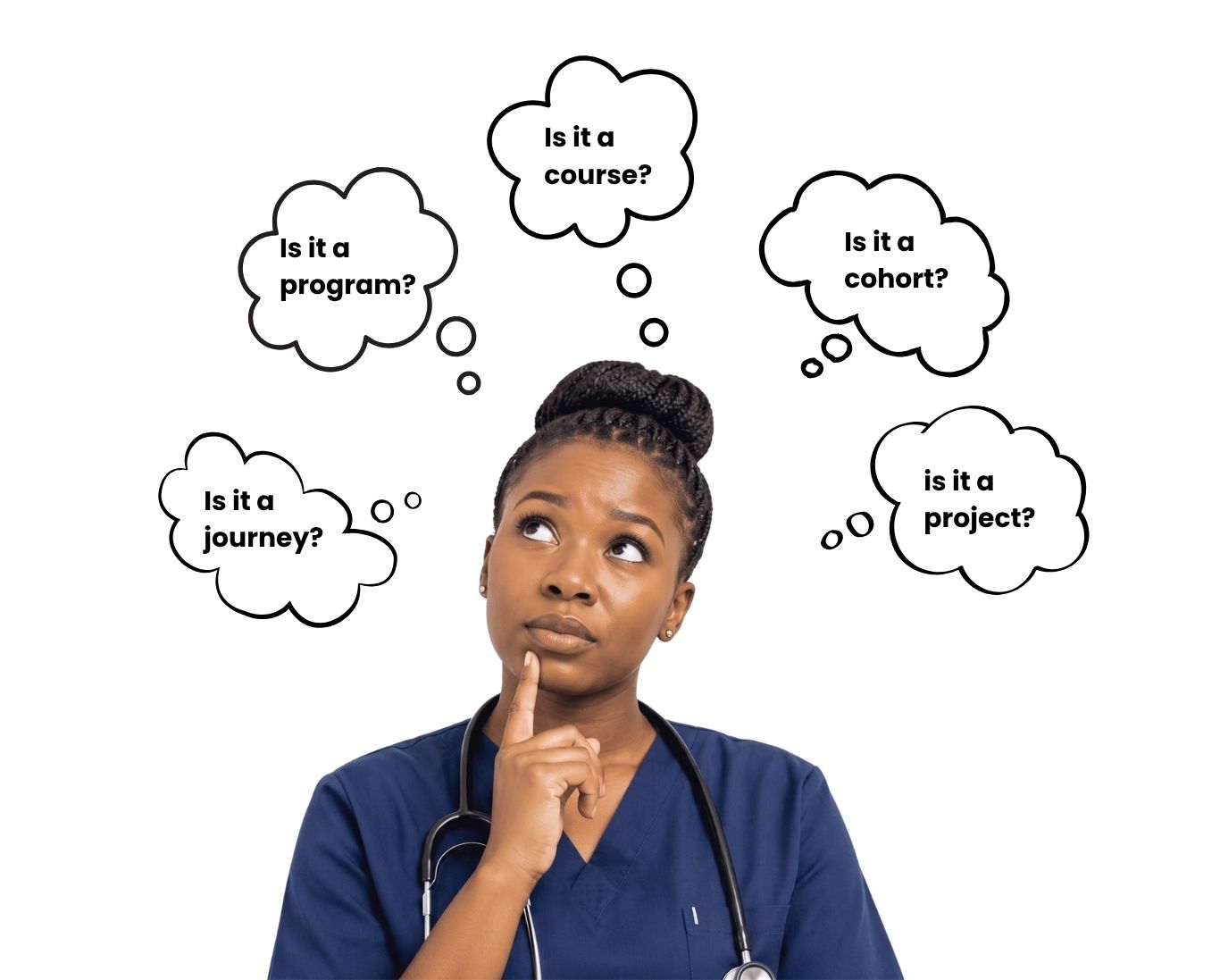
Here is what the healthcare workers from previous cohorts had to say about it
It's a QI journey"
A journey you need to walk as a team"
It has been both a journey and a QI project"
It's a project because it has a start date and an end date; but I'm also looking at it differently because QI is a journey. After this project, I will also continue doing other improvements on small scale then large scale."
It is a project because it's something that will bring improvement to the operational systems in my facility. It is also a course because I get to learn from the experts and other participants in other facilities. It is also a journey because it has a beginning and an end."
Whether you consider it a journey, a project, or a course, what’s important is that the teams know what they are doing during the Experiential program.
Cohort 2 – The Journey So Far
Graduation: Tue 6 – Thu 8 October 2026.
Lead Coaches
Our 5 lead coaches played a critical stewardship role; strengthening leadership for change and fostering a culture of reflection, learning, and accountability across the cohort. Drawing from deep practical experience in healthcare quality and patient safety work, Lead Coaches anchored the learning journey, mentored fellow coaches, and ensured methodological rigor throughout the program.

Argwings Chagwira
AIC Kijabe Hospital

Samora Michelle
Kenyatta National Hospital

Colleen Araka
Pumwani Hospital
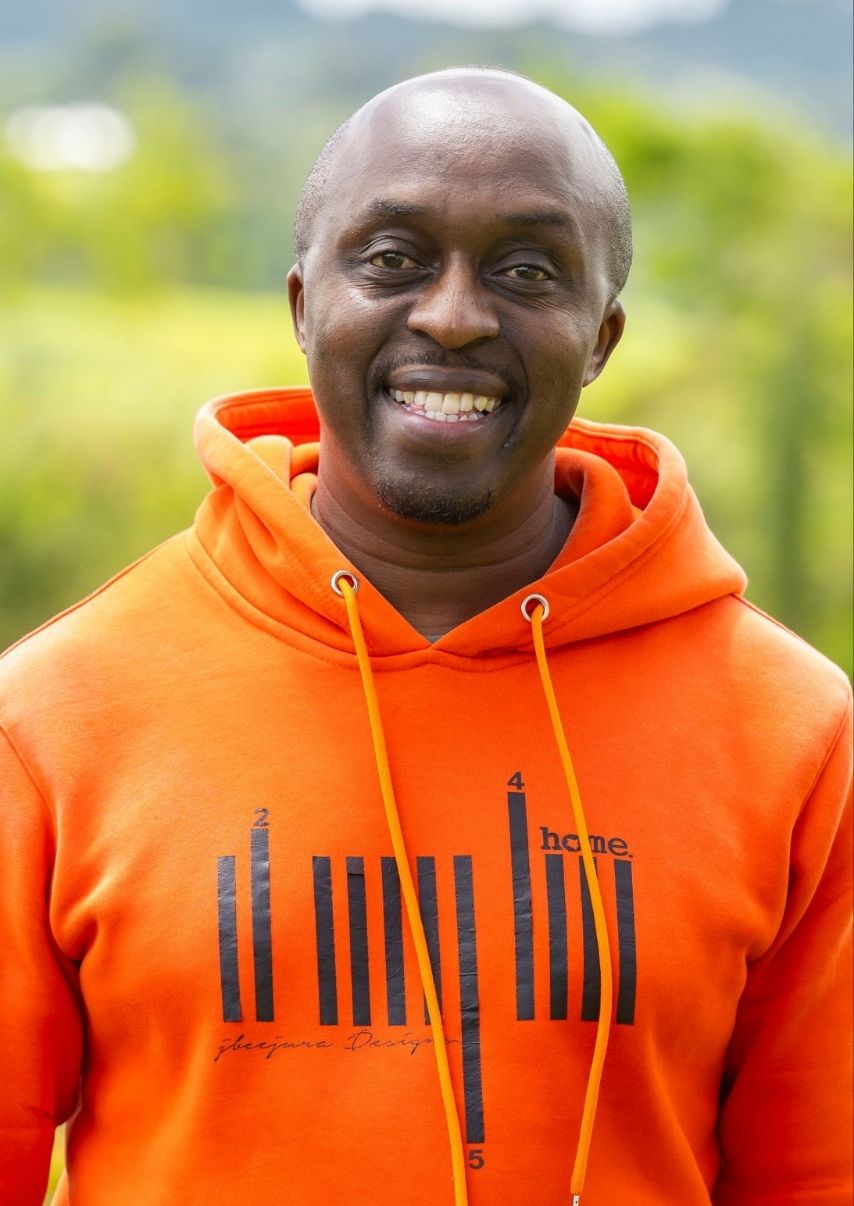
Gerald Muriithi
Mwai Kibaki Referral Hospital
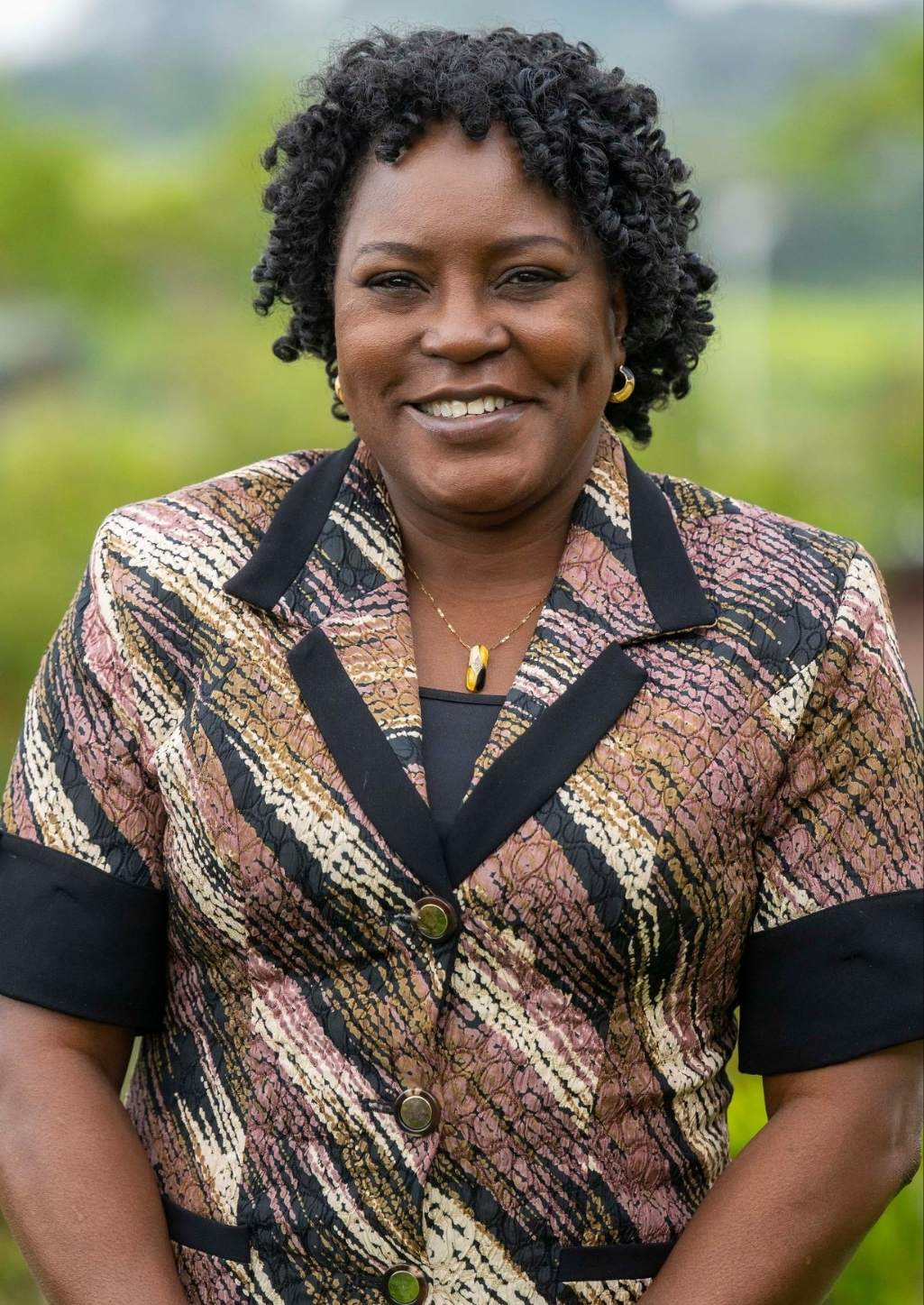
Olabisi Ogunbase
Lagos Health Service Commission, Eti Osa
Coaches
Supporting the Lead Coaches was a diverse and highly experienced group of QI-PS Coaches drawn from institutions across the region. These coaches worked closely with participating teams, providing practical guidance and learning support as teams design, test, and refine their improvement interventions.
Through their own ACQUIRE QI-PS Experiential Leadership Course, these coaches strengthened practical coaching skills: including learning to diagnose team dynamics, apply reflective practice, motivate teams through implementation challenges, and translate frontline improvement work into data-driven results and shareable learning; while engaging in peer coaching roundtables and sessions with international QI experts.
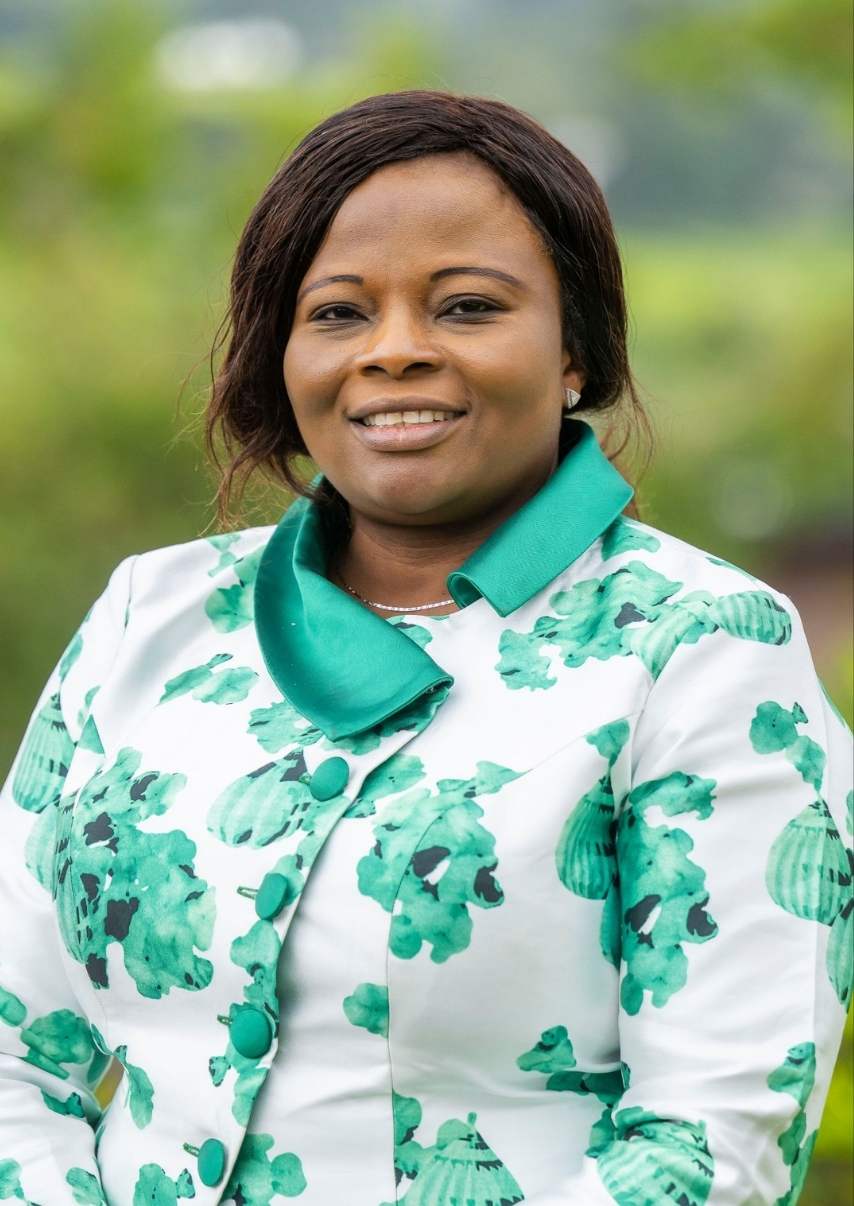
Ajayi Abimbola Victoria
Lagos State Health Service Commission, General Hospital Lagos (Odan)
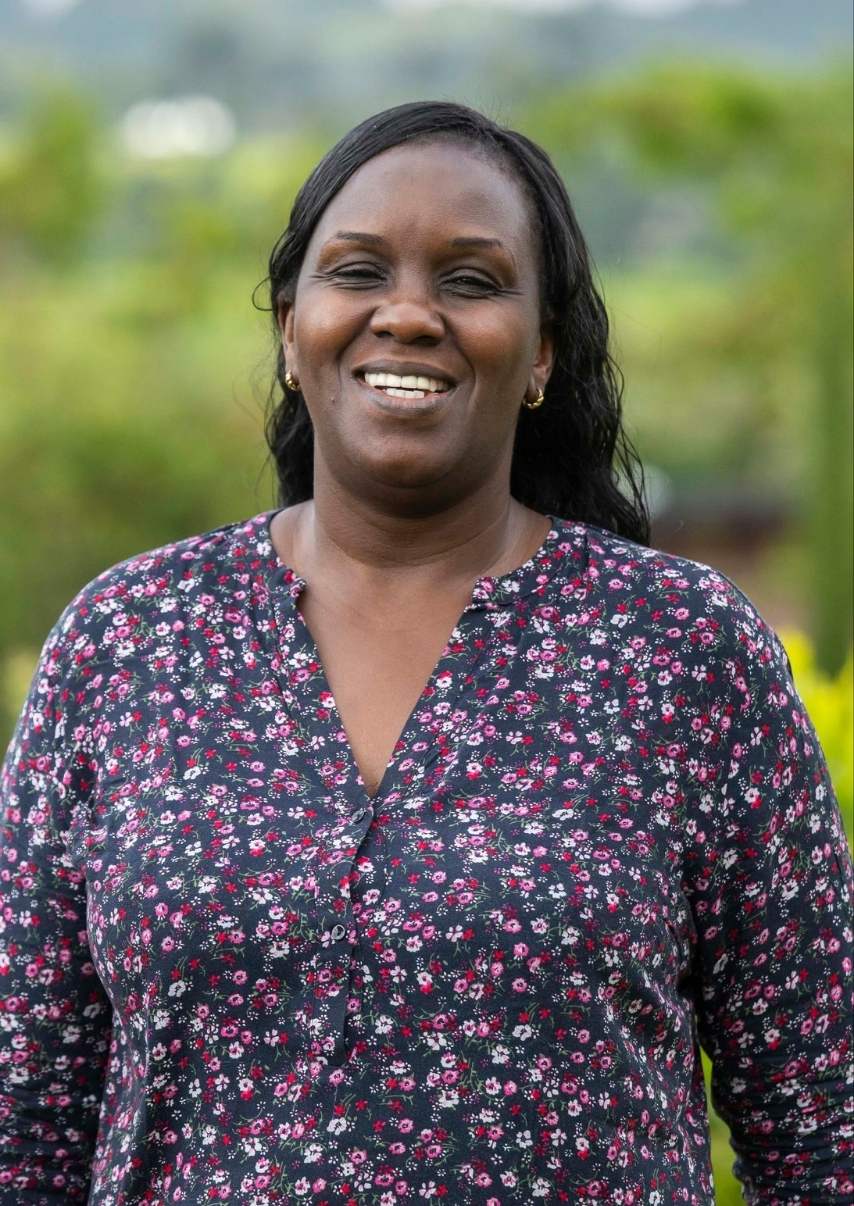
Carolyne Machio
MP Shah Hospital
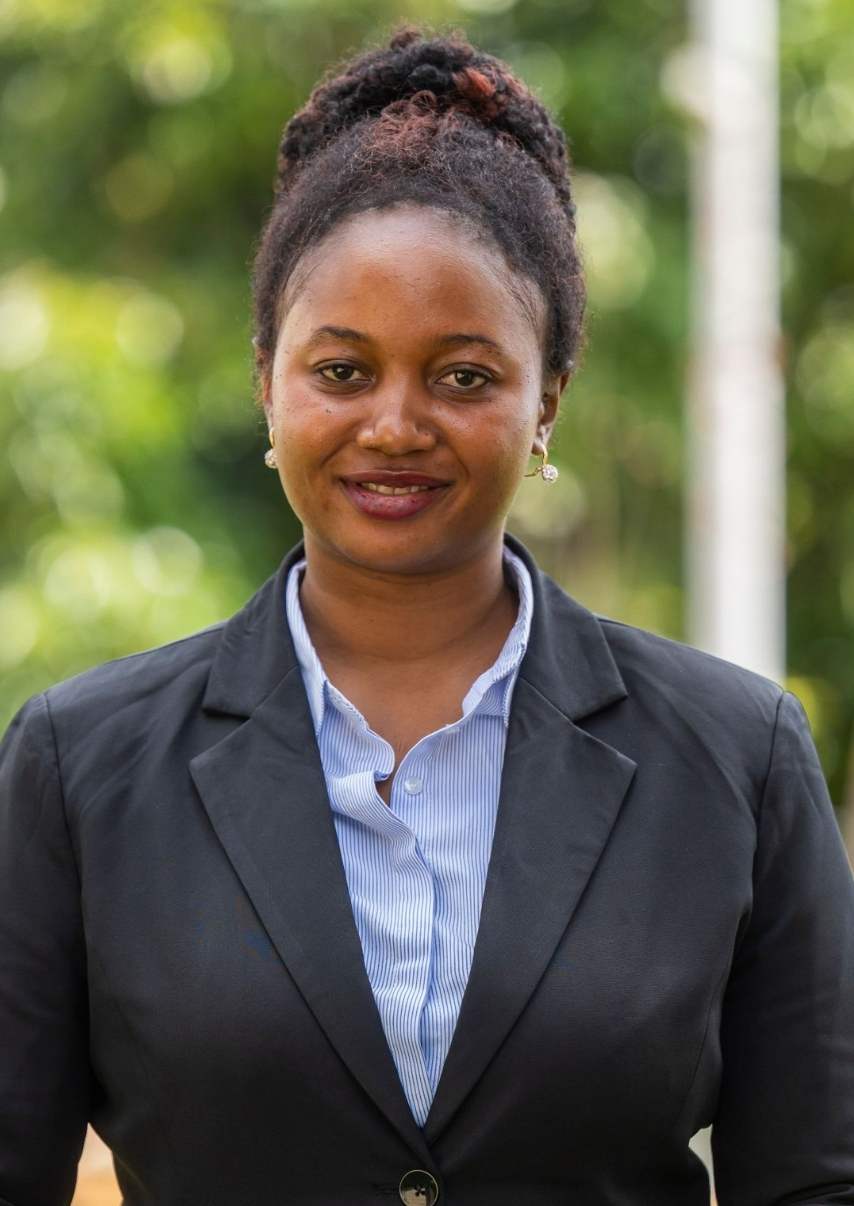
Christina Benny
Benjamin Mkapa Hospital

Cynthia Njeri Ikuha
Mwai Kibaki Referral Hospital
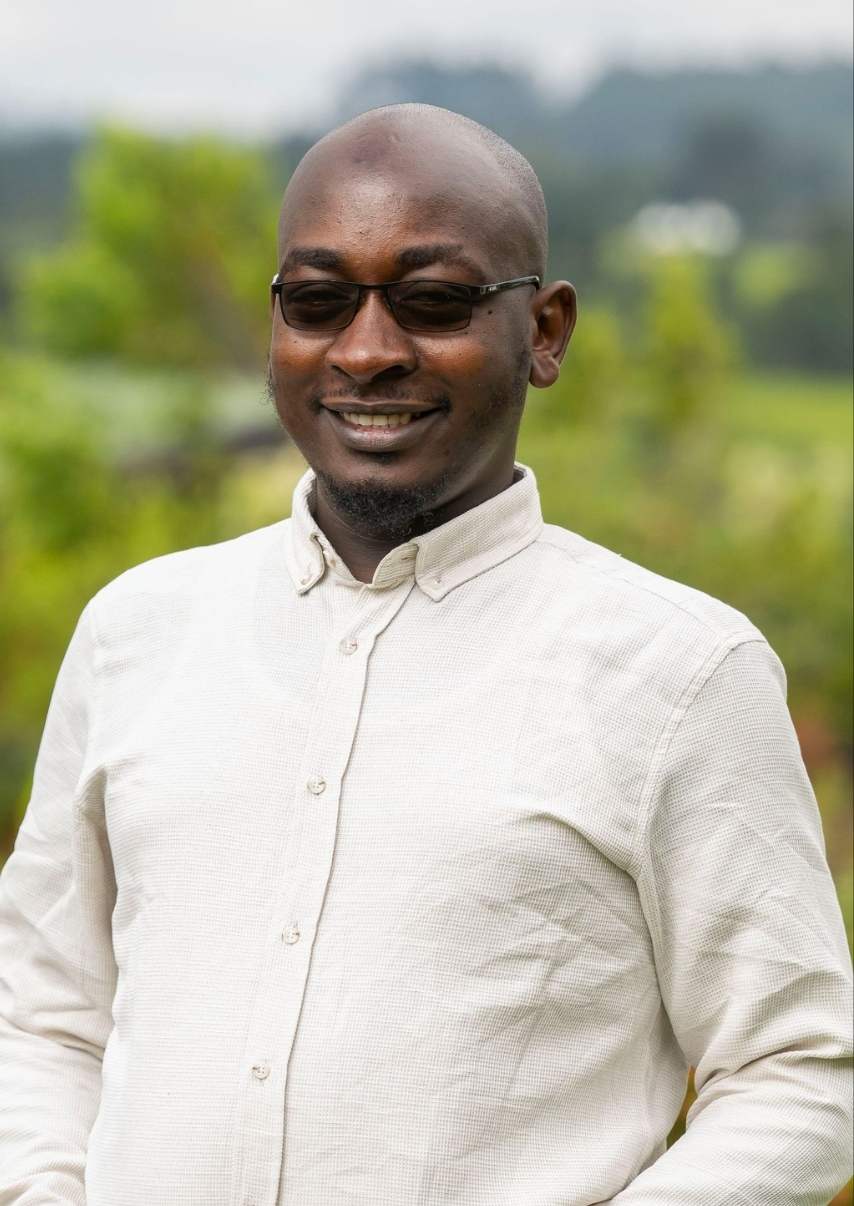
Eric Kithinji Munene
Nazareth Hospital
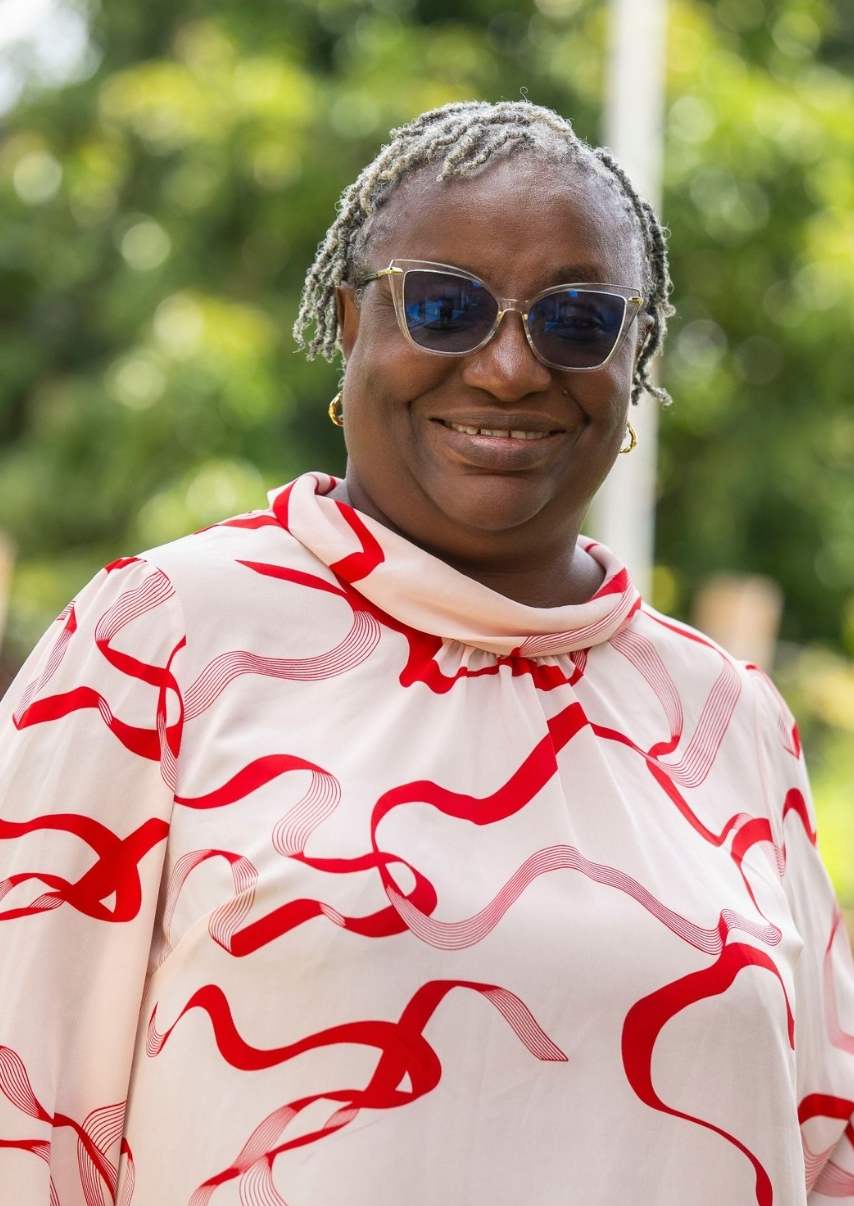
Fagbuyi Oluwaseun Yewande
Massey Street Children’s Hospital, Lagos
Firaol Dandena
Cure Children’s Hospital, Ethiopia

Freeman Frank
Techimantia

Fritz Kombe
Etoug-Ebe Baptist Hospital, Yaoundé

Gertrude Baiden
FOCOS Orthopaedic Hospital
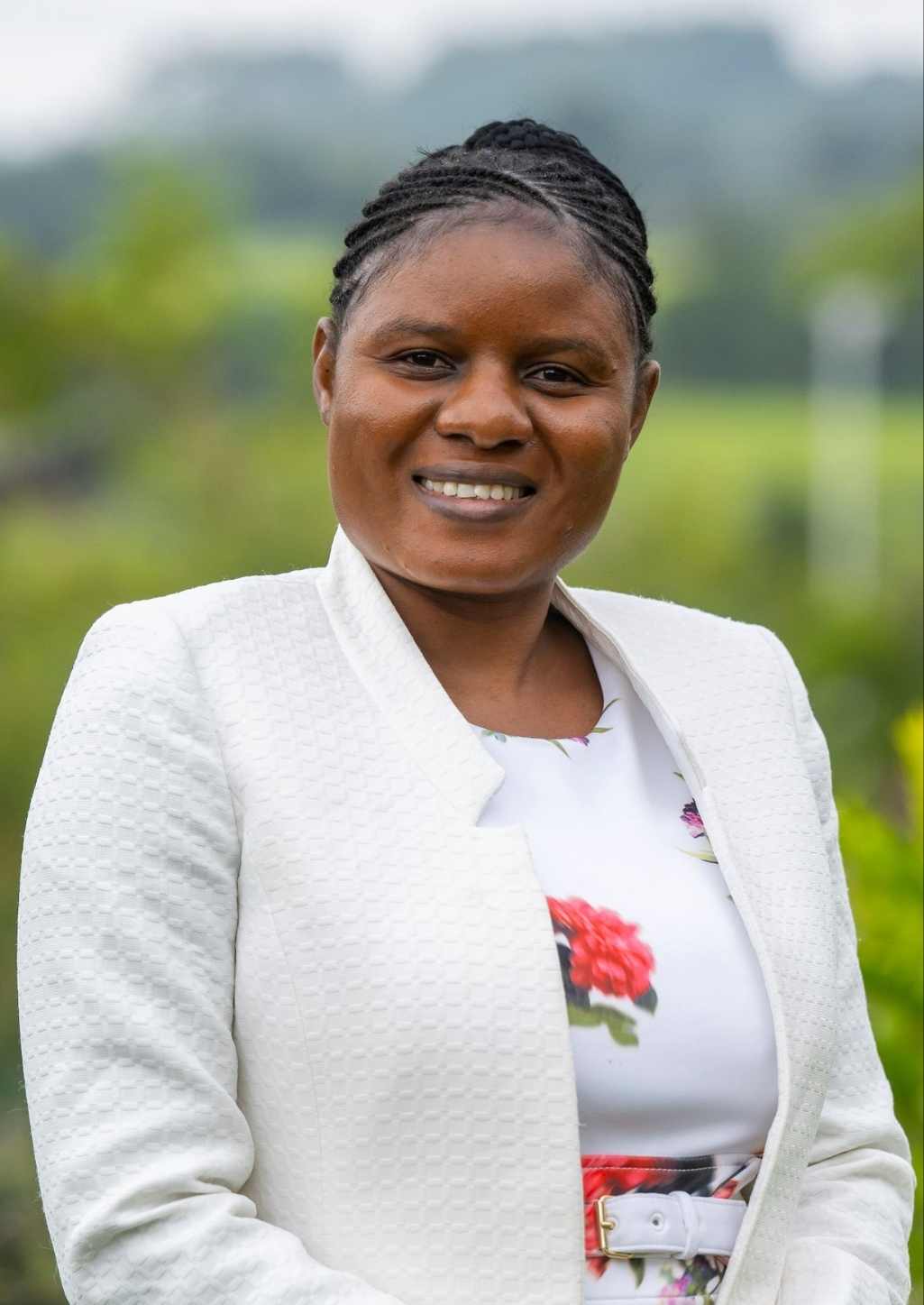
Grace Zakeyu
Reverend John Chilembwe Hospital, Malawi
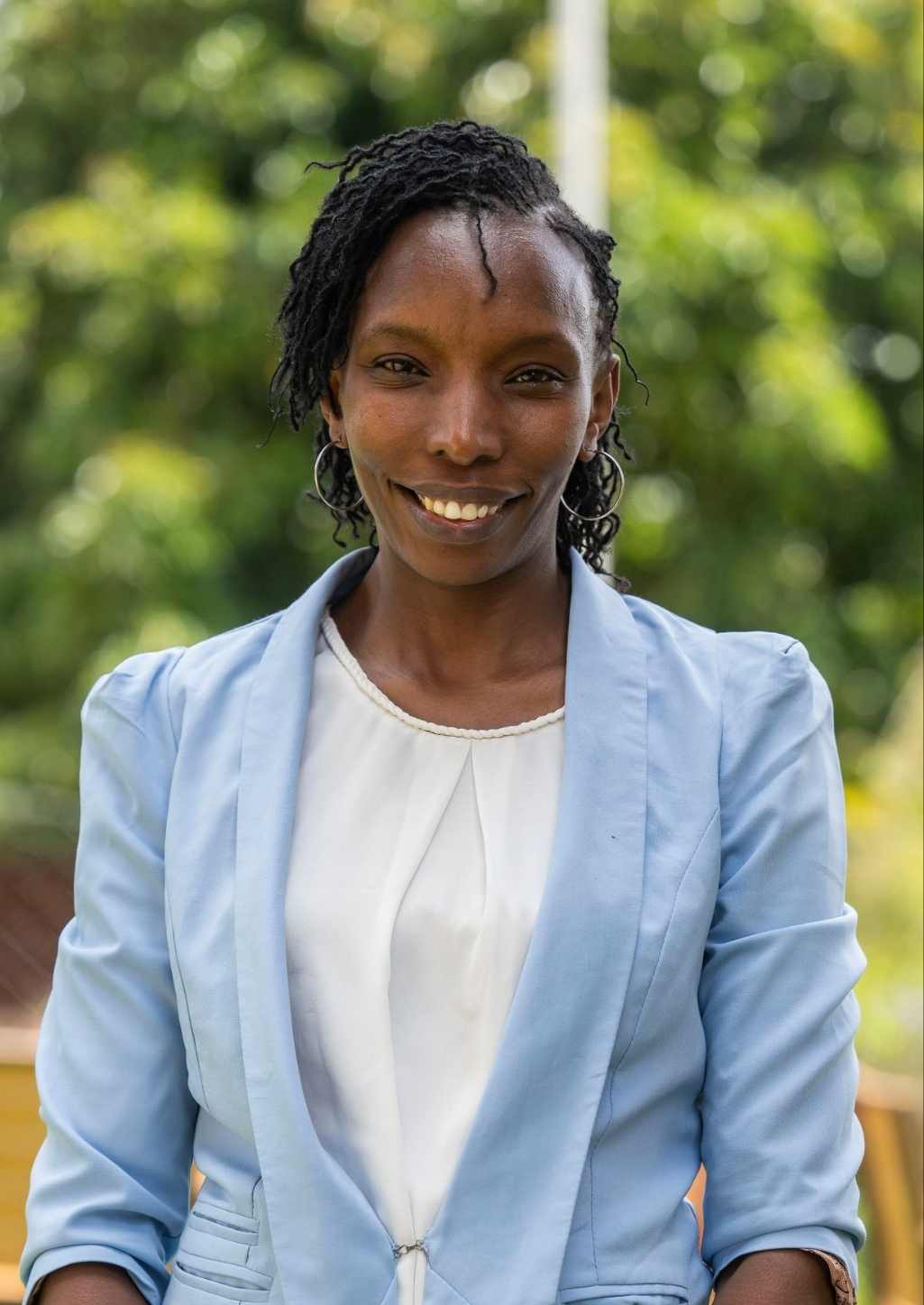
Janet Nyambura Ngugi
PCEA Kikuyu Hospital

Kan Perez –
Mbingo Baptist Hospital, Cameroon

Katende Yasin Kizza
Lubaga Hospital
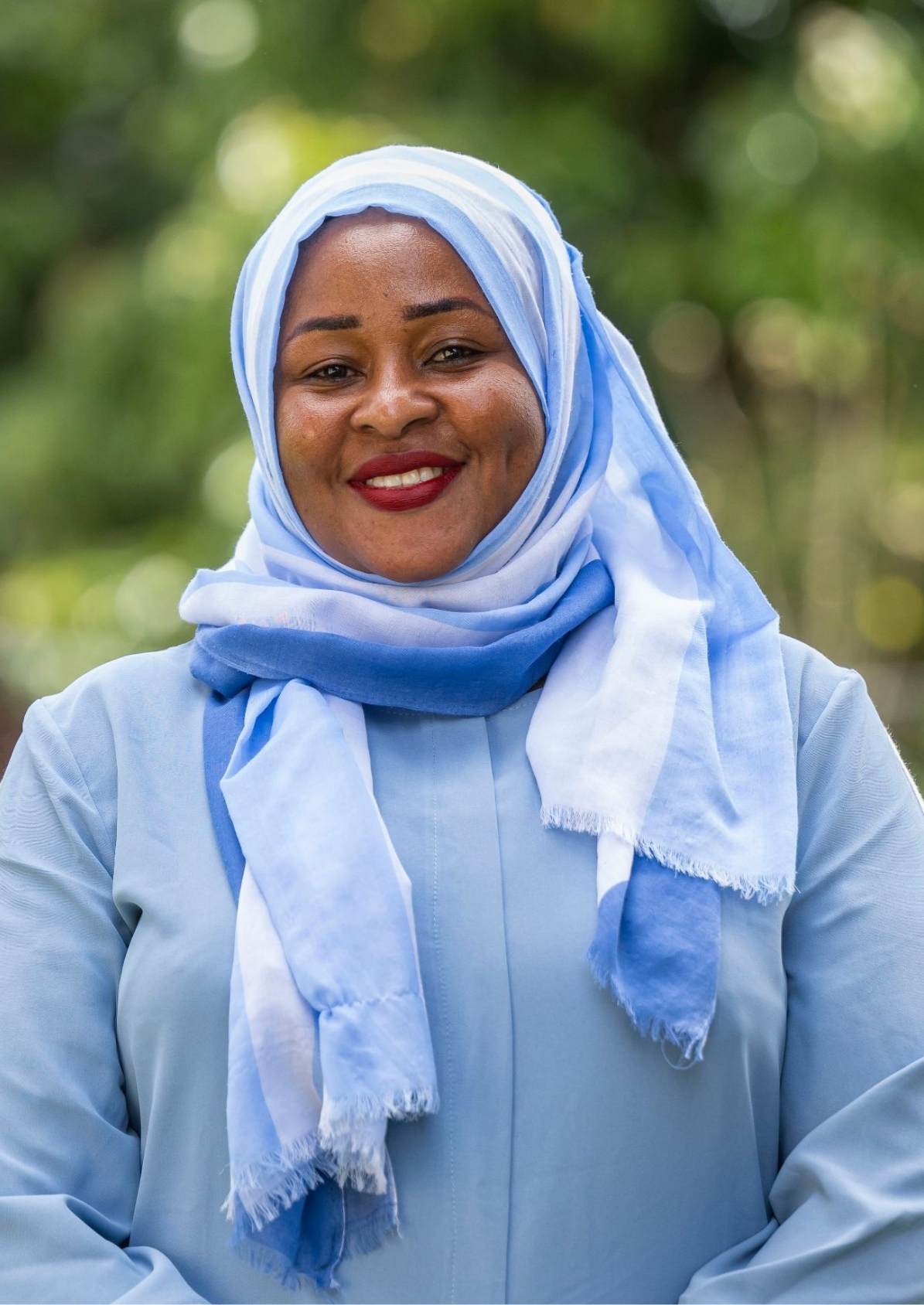
Khadija Luvuno Athman
Department of Health, Mombasa
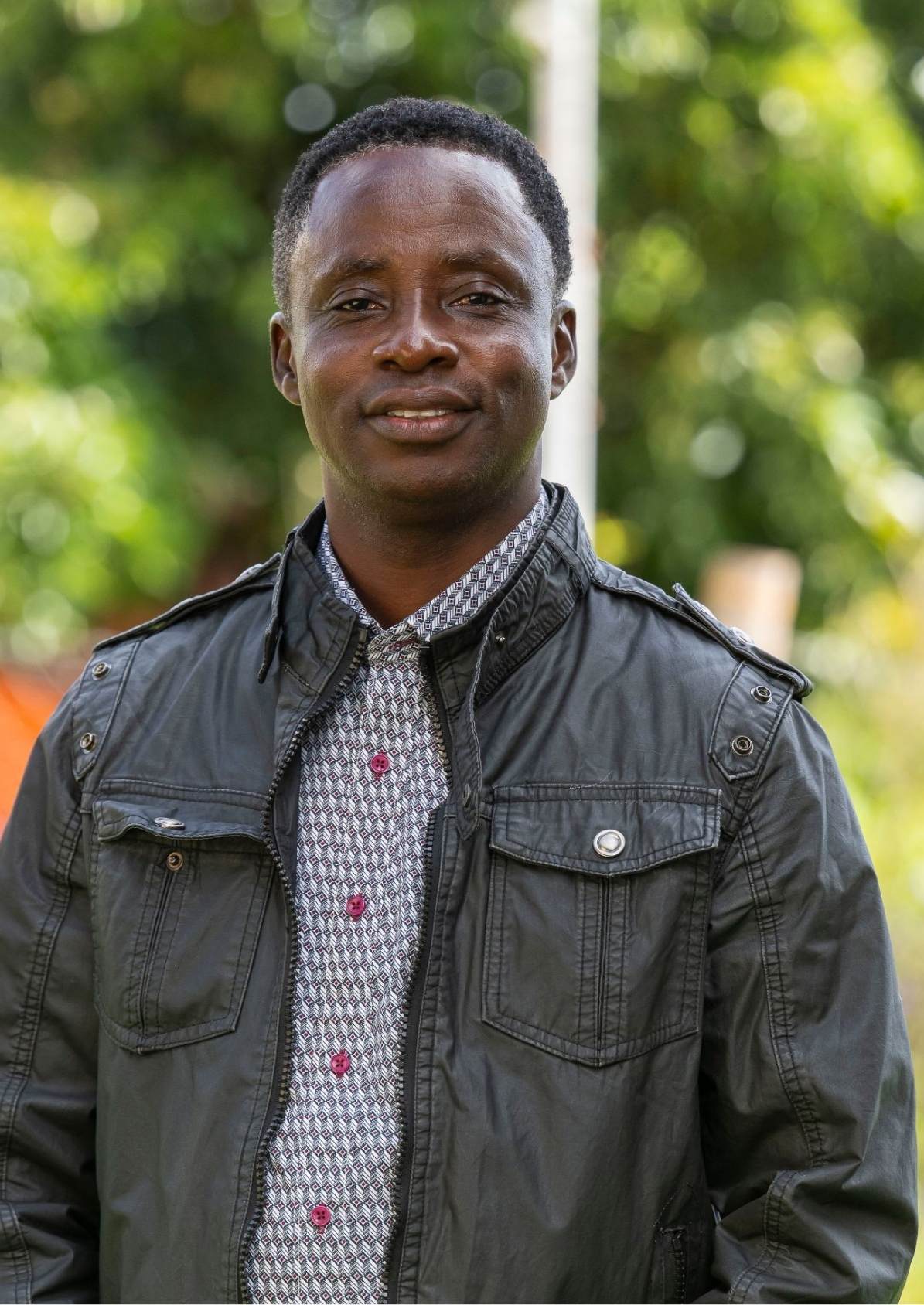
Kwadwo Ansong
Ghana Health Service, Asunafo South DHD
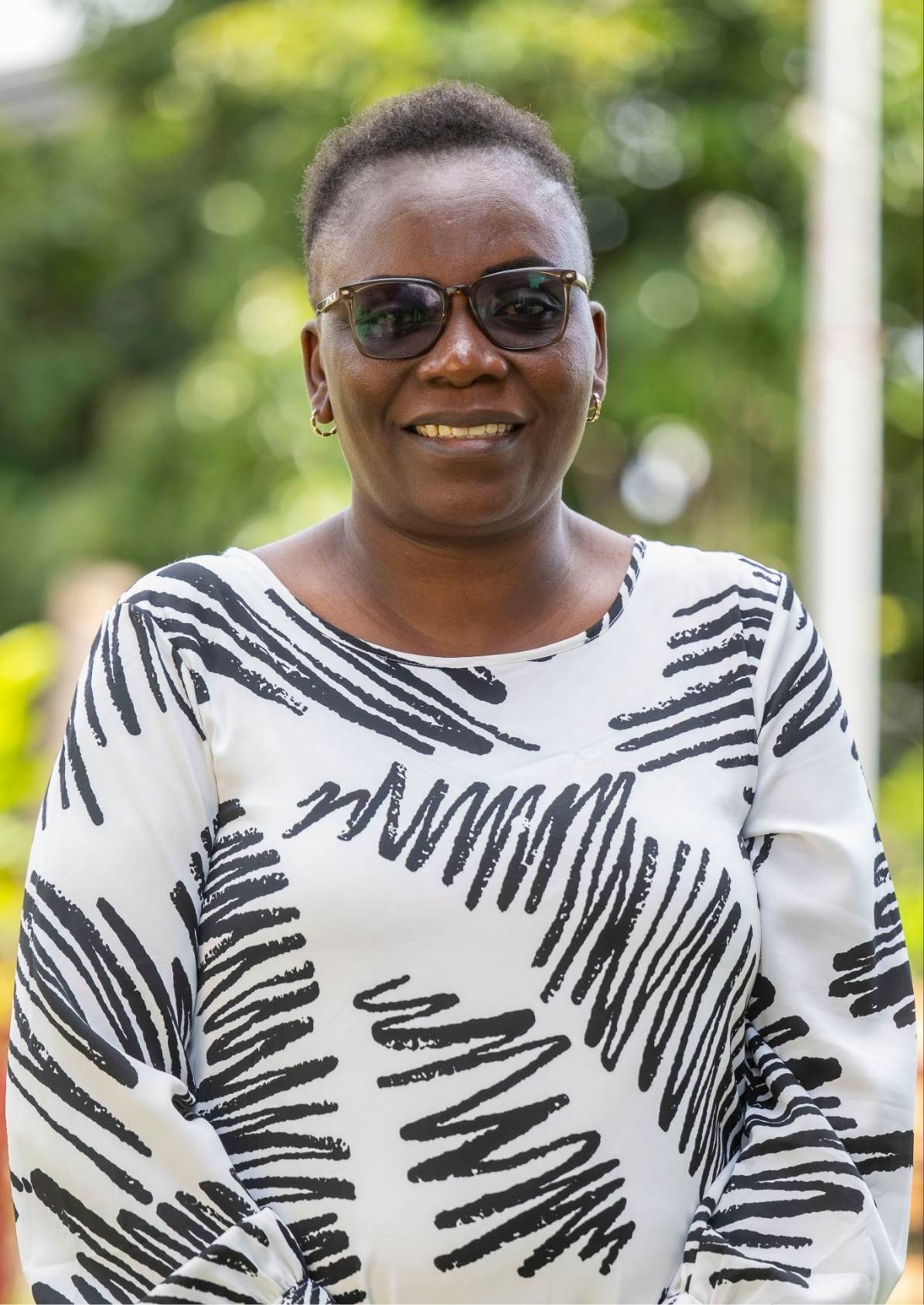
Lillian Ngugi
Coast General Teaching & Referral Hospital

Lydia Kemunto Nyagwencha
Machakos County Referral Hospital
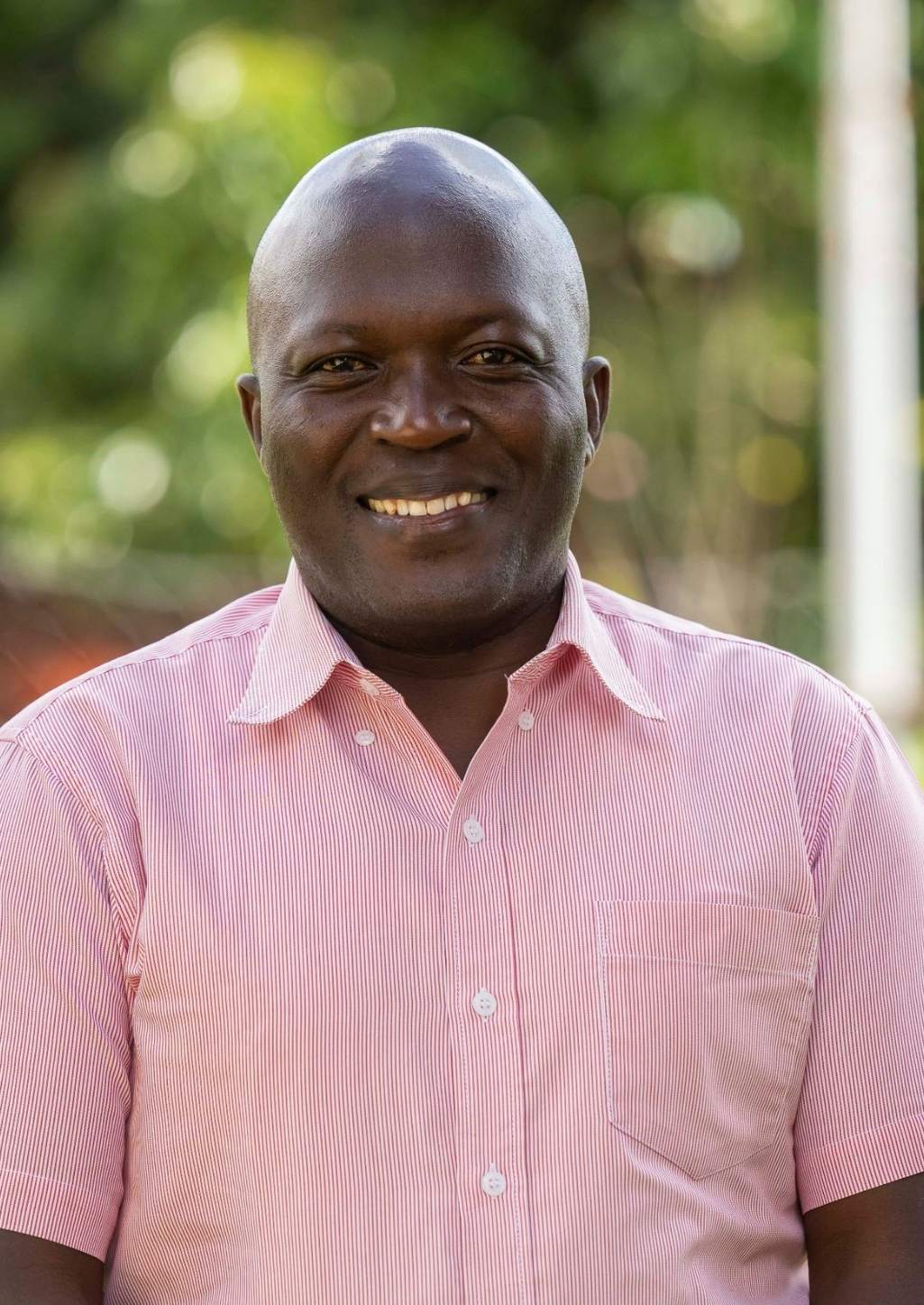
Manyu Simon Chesubei
Vihiga County Referral Hospital
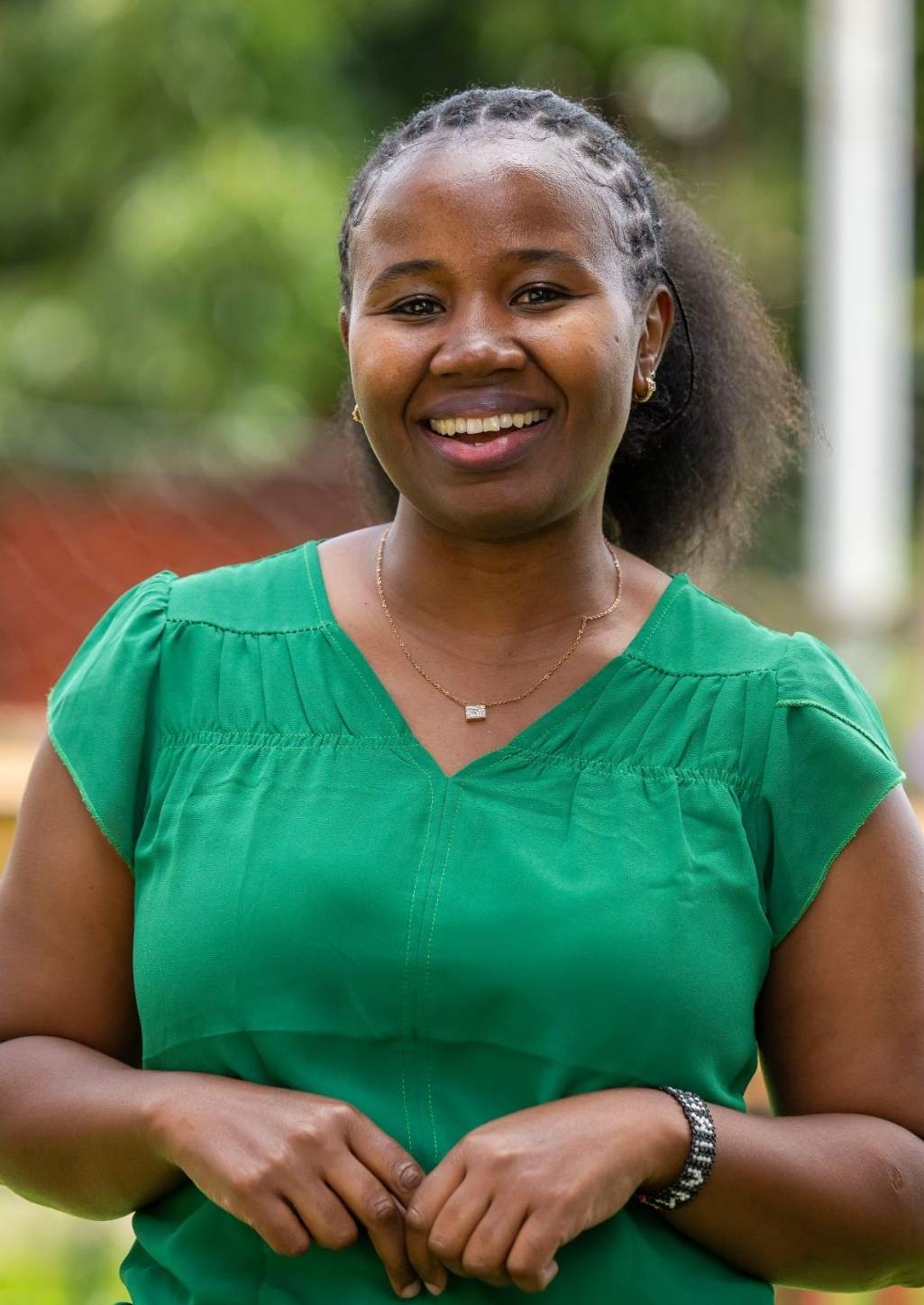
Maureen Mutheu Kaloki
Pumwani Maternity
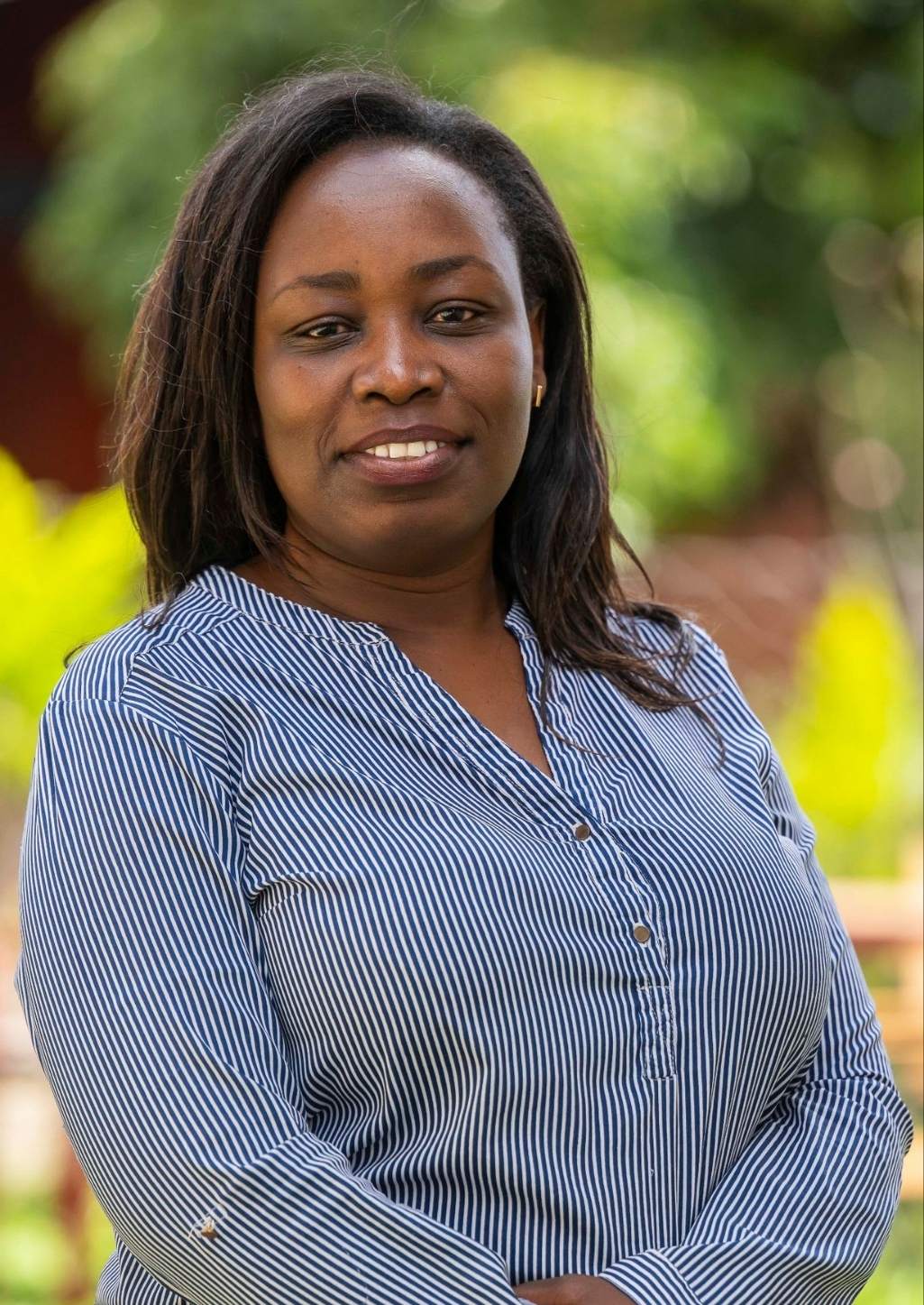
Olga Nyamor
Kenyatta University Teaching, Referral & Research Hospital (KUTRRH)

Onaleye Omotayo Simeon
Lagos State Health Service Commission, General Hospital Lagos (Odan)
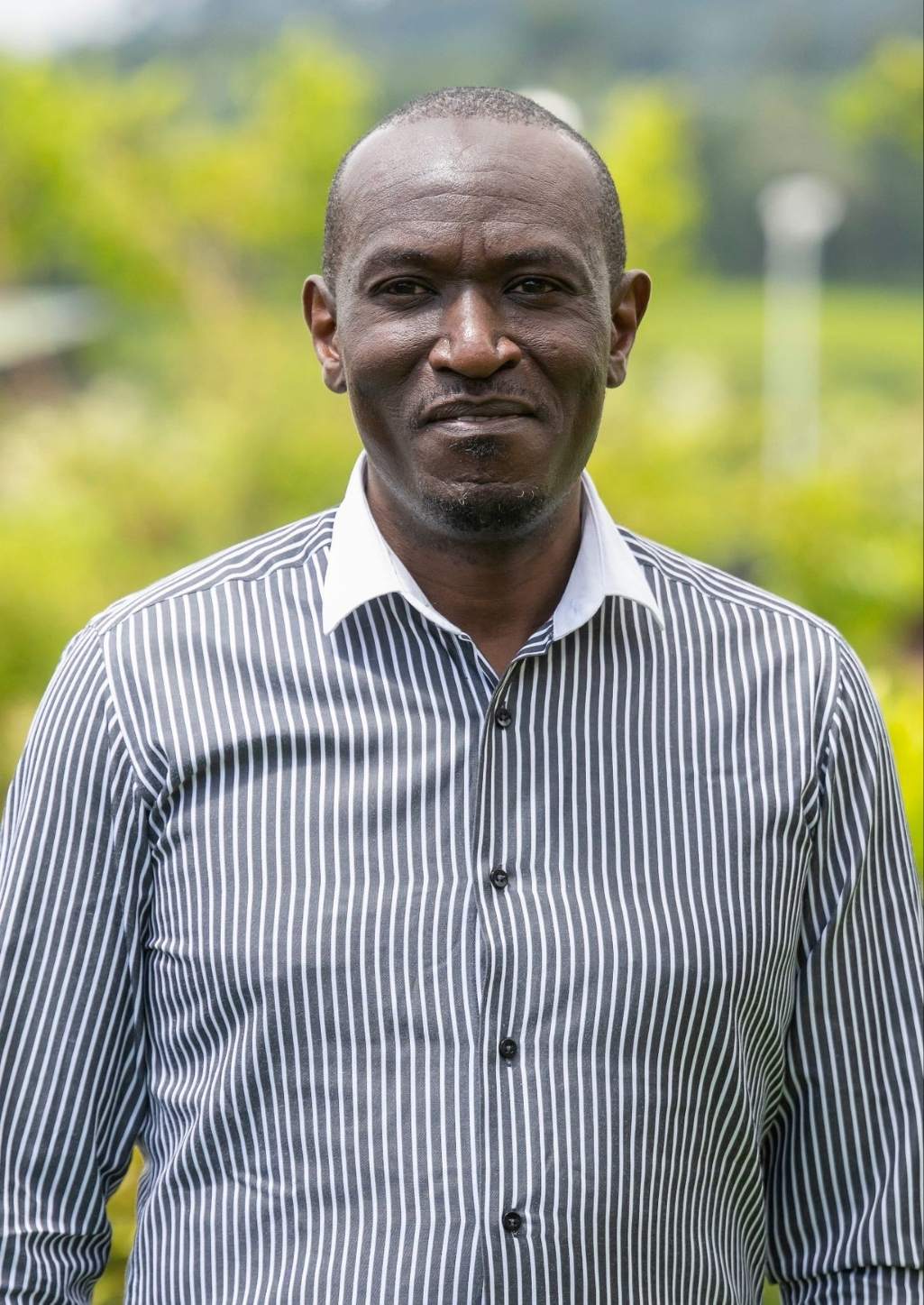
Paul Ndung'u
Kenyatta National Hospital

Paul Sila Malonza
Halisi Family Hospital
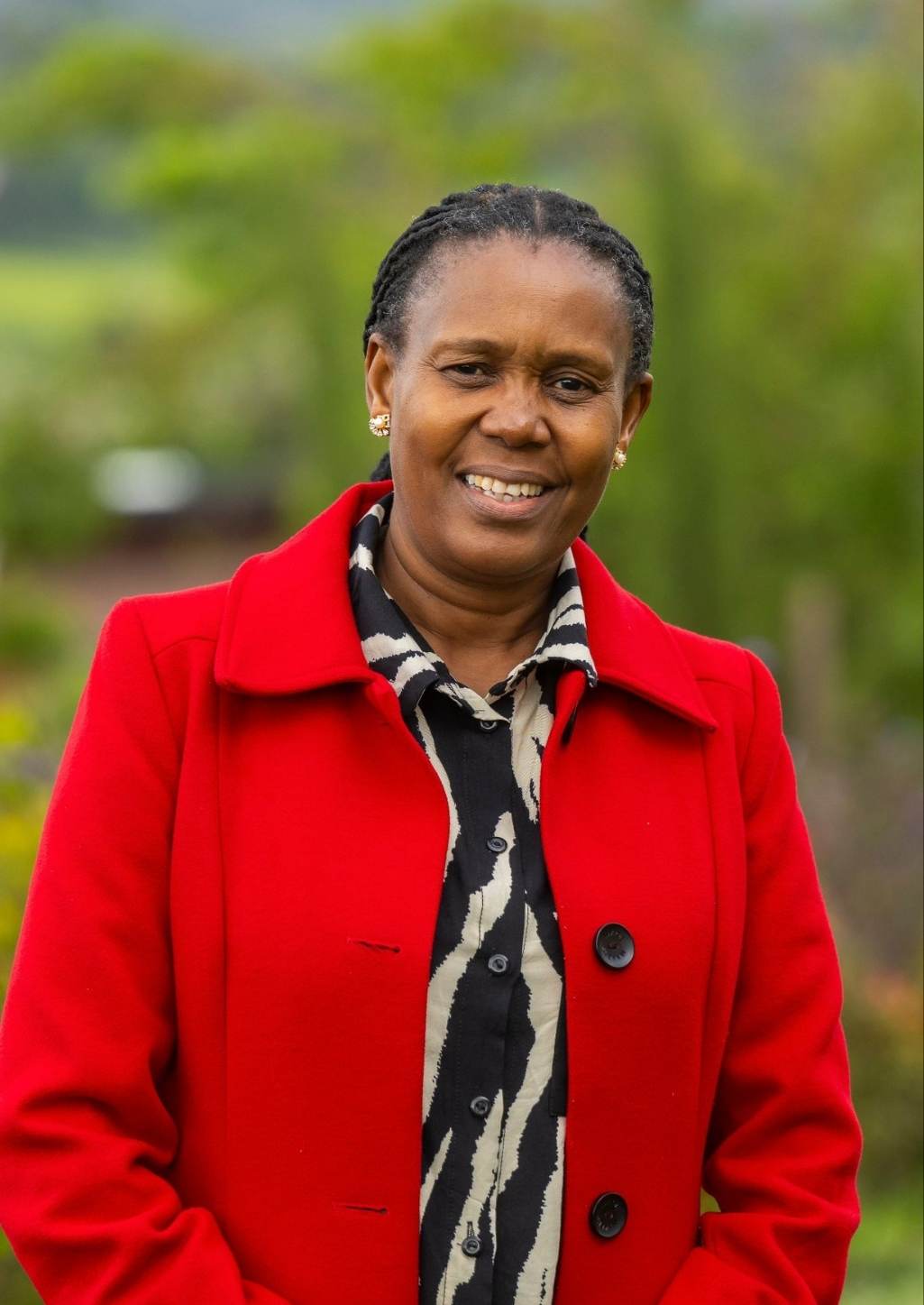
Ruth Molefhe
Orapa Mine Hospital (Debswana)

Stella Wanjiku Mburu
Mbagathi Hospital

Tabitha Muchendu
AIC Kijabe Hospital
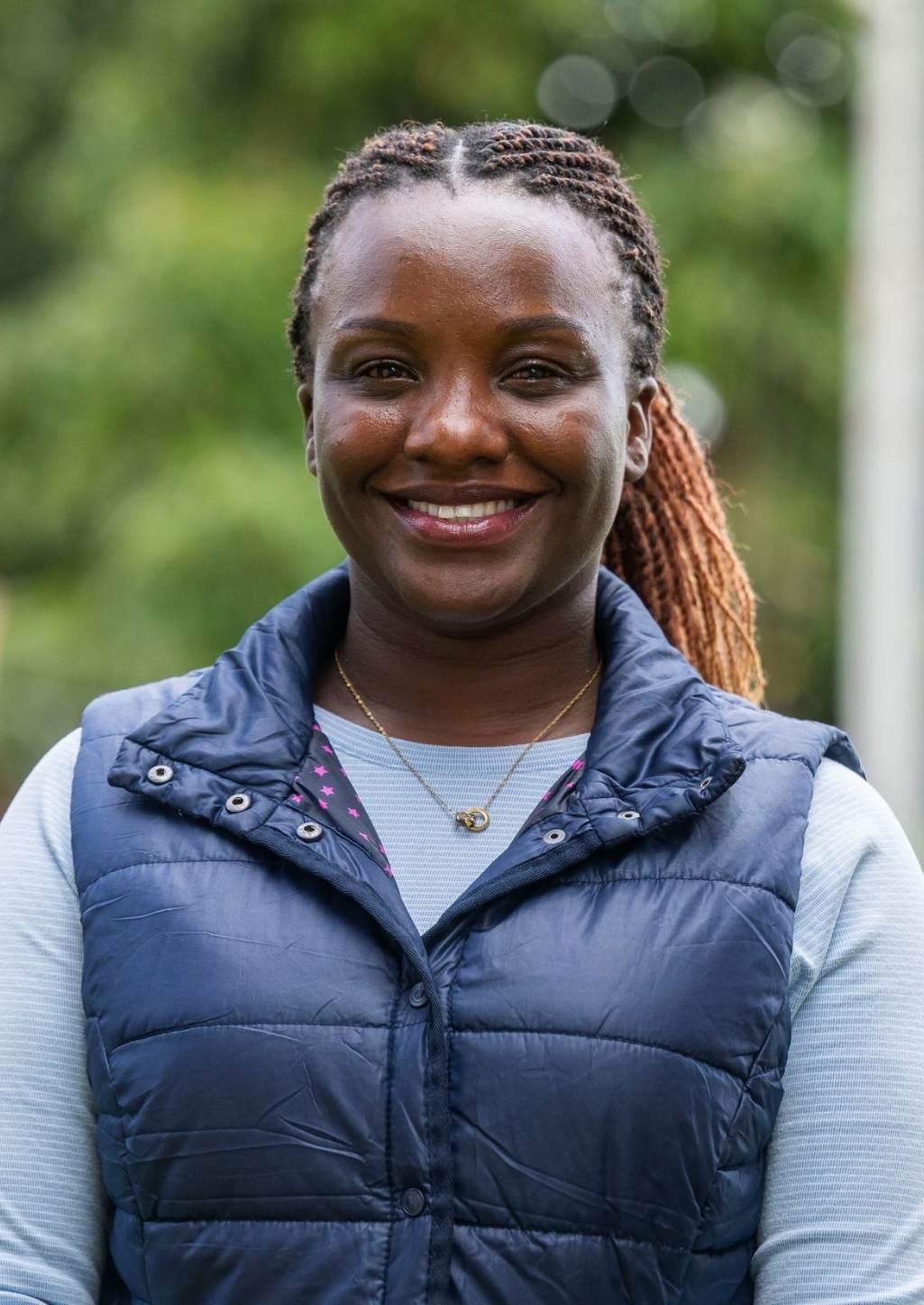
Wambui Makobu
AIC Kijabe Hospital

Wycliffe Kibunyi
Africa Healthcare Network, Kenya