

2026 ACQUIRE QI-PS Experiential Leadership: Cohort 1

Quality Takes A Team!

Celebrating Quality Improvement Champions!

Across sub-Saharan Africa, 60 frontline healthcare teams from 9 countries have spent the past 16 weeks applying improvement science to real challenges in their institutions, delivering measurable gains in quality and patient safety. At a time when poor quality of care remains a major driver of preventable harm, these teams are showing that locally led, data-driven improvement is both possible and scalable. From 12 to 14 May 2026, their work comes together in a graduation that offers practical lessons for any institution seeking to improve care.

Tuesday
12th May 2026
5–7PM EAT · 2–4PM GMT
Wednesday
13th May 2026
5–7PM EAT · 2–4PM GMT
Thursday
14th May 2026
5–7PM EAT · 2–4PM GMT
No matching projects found.
Tuesday
12th May 2026
5–7PM EAT · 2–4PM GMT
Wednesday
13th May 2026
5–7PM EAT · 2–4PM GMT
Thursday
14th May 2026
5–7PM EAT · 2–4PM GMT
No matching projects found.
Tuesday
12th May 2026
5–7PM EAT · 2–4PM GMT
Wednesday
13th May 2026
5–7PM EAT · 2–4PM GMT
Thursday
14th May 2026
5–7PM EAT · 2–4PM GMT
No matching projects found.

The ACQUIRE QI-PS Experiential Leadership Program is a 18-week, practice-based learning journey that helps frontline healthcare teams turn improvement knowledge into measurable action within their own institutions. Through continuous learning, coaching, peer exchange, real-world testing, and repeated PDSA cycles, teams strengthen systems of care while building lasting local capability. This is one of the ways ACQUIRE advances its vision of building learning health systems that ensure high-quality health care for everyone in sub-Saharan Africa.

The Journey towards Becoming a QI-PS Champion

The first Cohort of the 2026 ACQUIRE QI-PS Experiential Program brought together 60 frontline teams covering 53 institutions across 9 countries in Africa, 30 coaches and 4 lead coaches, united by a shared commitment to improving quality, safety, and patient-centered care. Having commenced on 15 January 2026 and graduating from 12 May 2026, this cohort reflects the breadth and ambition of applied improvement work; to address critical system challenges through locally led, data-driven quality improvement initiatives.

Across these institutions, 47% of the teams focused on four key priority areas. The visuals below highlight these themes, reflecting the common challenges being addressed and the shared commitment to safer, more efficient, and patient-centered care across diverse healthcare settings.

QI Projects
QI Focus Area
Patient Waiting Time / Patient Flow / Turnaround Time
Reducing patients waiting time in the general out-patient department by 25%, from 1 hour to 45 minutes (Jan–Apr 2026)
Reducing patients waiting time at Alimosho General Hospital Igando — 1 hour to 45 mins (Jan–Apr 2026)
Reducing patient waiting time
Reducing patient wait times in the OPD through process improvement
Assessing patient waiting time and improving service efficiency in the Antenatal clinic and Laboratory — Etoug Ebe Baptist Hospital Yaounde
Improving patient flow and reducing waiting time in Consultant Clinics at Kikuyu Hospital
Reducing pre-admission waiting times in A&E and Pediatric departments to enhance patient satisfaction and care continuity
In-patient discharge turnaround time — Kantaria ward
Turnover time of laboratory investigations in Nephrology clinic in MOPD
QI Focus Area
Hand Hygiene / Infection Prevention and Control (IPC)
Hand Hygiene Promotion
Increasing adherence to appropriate hand practices among staff from 45% to 85% within 4 months — Techimantia Government Hospital
Improving hand hygiene compliance among healthcare workers at PCEA Kikuyu AHN Dialysis Unit — baseline 60% to 90%
Hand Hygiene Compliance Improvement
QI initiative to increase health care worker and community knowledge on core IPC practices from 0% to 70% (Jan–Apr 2026)
Increasing adherence to handwashing guidelines by labour ward healthcare workers at Pumwani Maternity Hospital
QI Focus Area
Documentation / Record Keeping
Improving completeness of patient file documentation in adult general wards at Moi Voi Hospital from 20% to 75% by 30th April 2026
Enhancing accuracy and completeness of intravenous fluid balance chart documentation
Proper patient records management
Enhance clinical documentation
Enhancing patient-family information sharing and documentation practices at St. Francis Hospital Nsambya
QI Focus Area
Patient Satisfaction / Experience / Communication
Enhancing customer satisfaction at outpatient triage
Enhancing patient feedback and experience at Diani Beach Hospital
Enhancing patient satisfaction in outpatient services and increasing delivery numbers through improved community perception and service flow
Enhancing patient-family information sharing and documentation practices at St. Francis Hospital Nsambya
Enhancing patient safety and outcomes through utilization of the SBAR communication tool

Why an Experiential Approach?

“Experiential: based on or involving experience
– Oxford Learners Dictionary

An estimated 5.7 and 8.4 million deaths per year occur among people who use health care services because of poor quality of care in low and middle-income countries, accounting for as much as 15% of all deaths (1). This harm to patients rarely results from a single mistake. Instead, it usually arises from a combination of interacting factors within complex healthcare environments. This is why Continuous Quality Improvement (CQI) as a structured and ongoing approach to improving processes and outcomes is important.

To prevent harm, healthcare facilities need to take deliberate steps to ensure they are consistently providing care that reflects what matters to patients: care that is Safe, Timely, Effective, Efficient, Equitable, and Patient-Centered (2). They can only do this by applying improvement science; testing new interventions, learning from the data they generate, and sharing lessons.

This is the foundation of the ACQUIRE QI-PS Experiential Leadership Program: learning by doing. We believe that while theoretical learning is important, true learning can only be achieved by doing; and by doing repeatedly within and across institutions.

What is the ACQUIRE QI-PS Experiential Leadership Program?

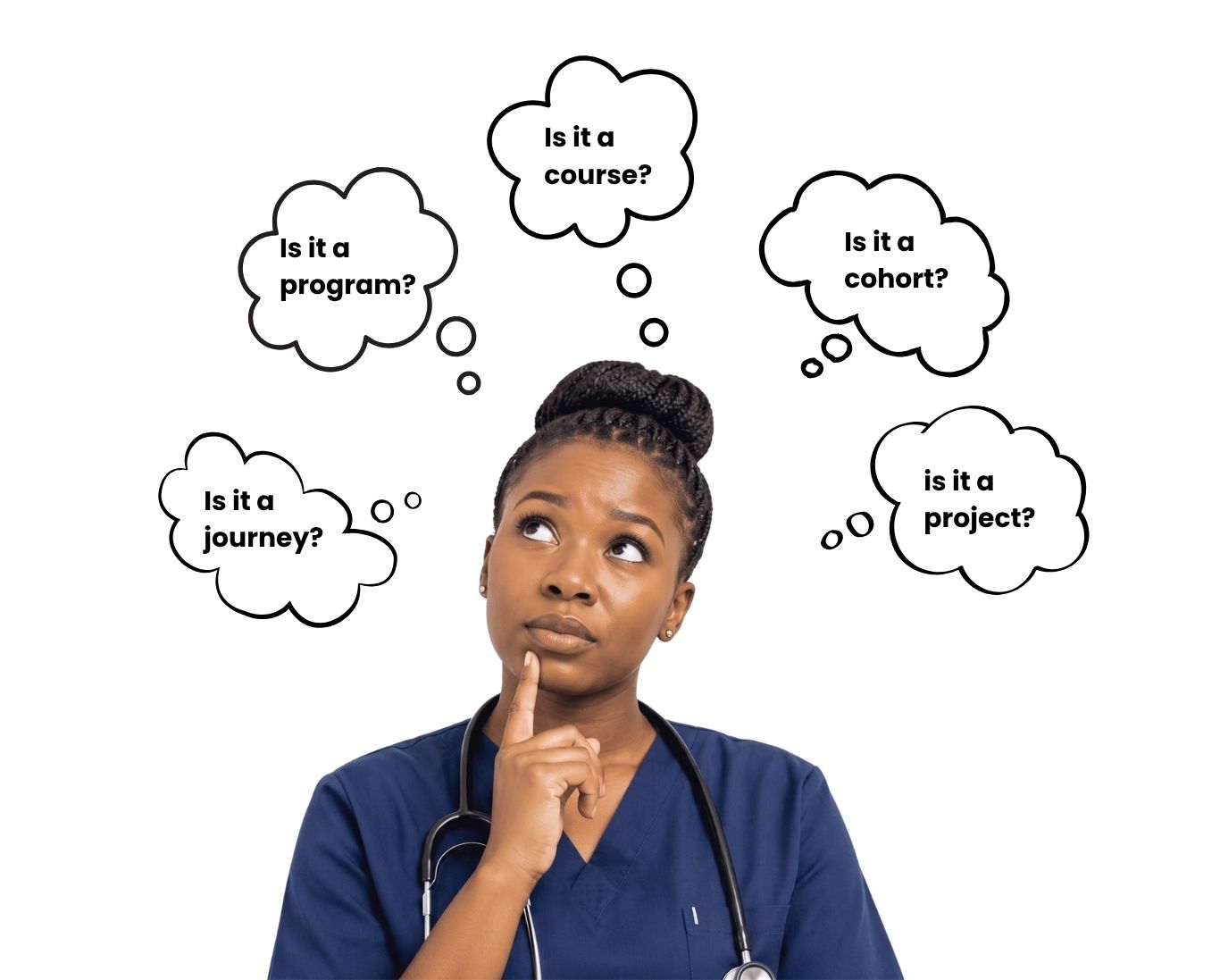
ACQUIRE Cohort 1 – healthcare workers asking: is it a programme, course, cohort, journey or project?
Here is what the healthcare workers from previous cohorts had to say about it

Here is what the healthcare workers from previous cohorts had to say about it

"

It's a QI journey"

"

A journey you need to walk as a team"

"

It has been both a journey and a QI project"

"

It's a project because it has a start date and an end date; but I'm also looking at it differently because QI is a journey. After this project, I will also continue doing other improvements on small scale then large scale."

"

It is a project because it's something that will bring improvement to the operational systems in my facility. It is also a course because I get to learn from the experts and other participants in other facilities. It is also a journey because it has a beginning and an end."

Whether you consider it a journey, a project, or a course, what’s important is that the teams know what they are doing during the Experiential program.

The Journey So Far

This has been a special cohort marked by growth, collaboration, and continuous learning for both QI-PS teams and coaches. Here are some highlights from the journey so far.

QI-PS Team’s Journey

Across 16 weeks, teams have steadily built the knowledge, habits, and confidence needed to lead improvement in real healthcare settings. Their journey has combined theory, reflection, practical tools, and peer learning while advancing real projects within their institutions. Each step has moved them closer to becoming stronger QI-PS champions.

Teams progressed from understanding the purpose and structure of the programme to applying structured problem-solving approaches using the A3 framework. They built skills in systems thinking, analysing current performance, identifying root causes, and selecting evidence-based interventions, while also reflecting on their leadership and learning through tools like Gibbs Reflective Cycle. As the programme advanced, teams strengthened their ability to interpret data, understand variation, and improve the reliability of their interventions, supported by teamwork, accountability, and disciplined improvement processes.

The Support System

Lead Coaches

Our 4 lead coaches played a critical stewardship role; strengthening leadership for change and fostering a culture of reflection, learning, and accountability across the cohort. Drawing from deep practical experience in healthcare quality and patient safety work, Lead Coaches anchored the learning journey, mentored fellow coaches, and ensured methodological rigor throughout the program.

Argwings Chagwira

AIC Kijabe Hospital

Samora Michelle

Kenyatta National Hospital

Colleen Araka

Pumwani Hospital
Gerald Muriithi

Mwai Kibaki Referral Hospital

Coaches

Supporting the Lead Coaches was a diverse and highly experienced group of QI-PS Coaches drawn from institutions across the region. These coaches worked closely with participating teams, providing practical guidance and learning support as teams design, test, and refine their improvement interventions. 

Through their own ACQUIRE QI-PS Experiential Leadership Course, these coaches strengthened practical coaching skills: including learning to diagnose team dynamics, apply reflective practice, motivate teams through implementation challenges, and translate frontline improvement work into data-driven results and shareable learning; while engaging in peer coaching roundtables and sessions with international QI experts.

Ajayi Abimbola Victoria

Lagos State Health Service Commission, General Hospital Lagos (Odan)
Carolyne Machio

MP Shah Hospital
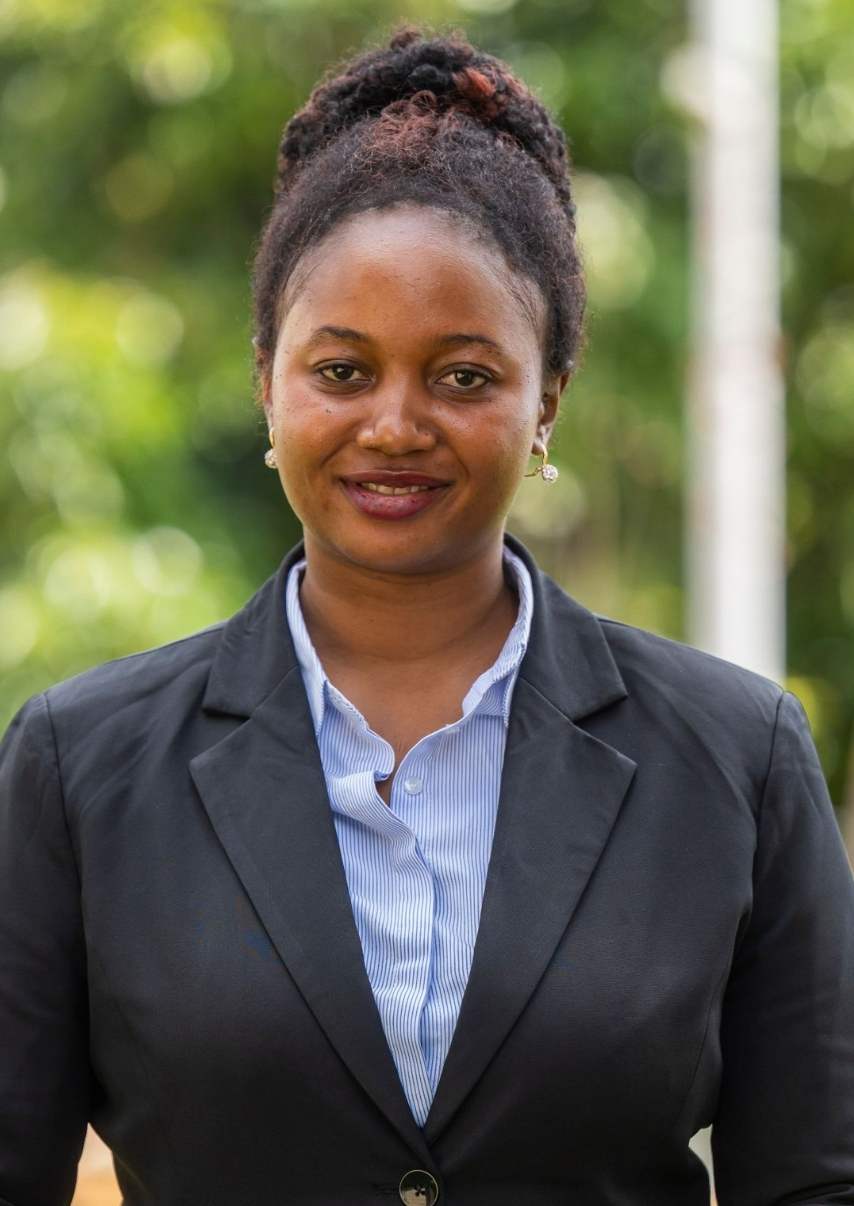
Christina Benny

Benjamin Mkapa Hospital

Cynthia Njeri Ikuha

Mwai Kibaki Referral Hospital

Eric Kithinji Munene

Nazareth Hospital

Fagbuyi Oluwaseun Yewande

Massey Street Children’s Hospital, Lagos
Firaol Dandena

Cure Children’s Hospital, Ethiopia

Freeman Frank

Techimantia

Fritz Kombe

Etoug-Ebe Baptist Hospital, Yaoundé

Gertrude Baiden

FOCOS Orthopaedic Hospital
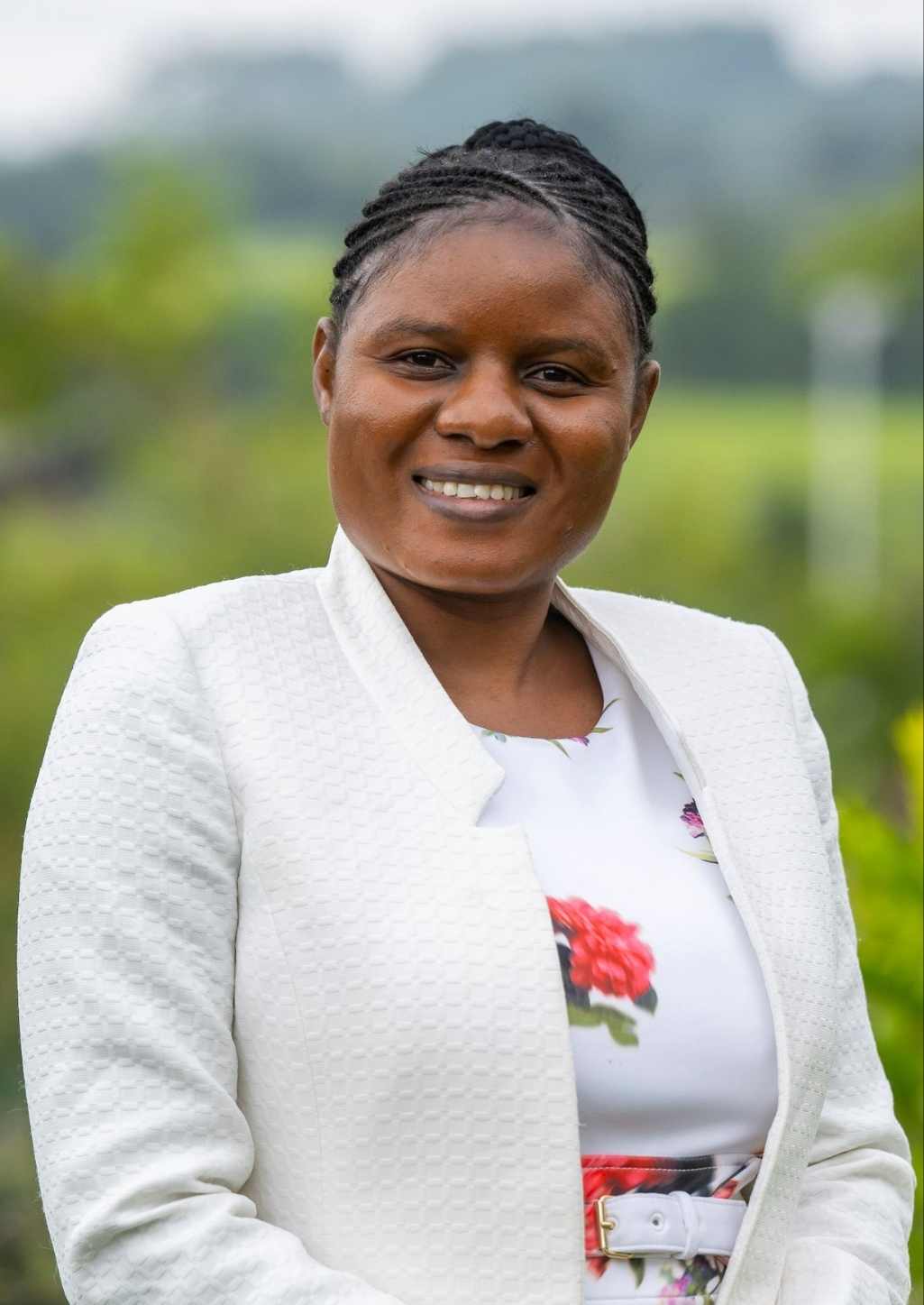
Grace Zakeyu

Reverend John Chilembwe Hospital, Malawi

Janet Nyambura Ngugi

PCEA Kikuyu Hospital

Kan Perez –

Mbingo Baptist Hospital, Cameroon

Katende Yasin Kizza

Lubaga Hospital
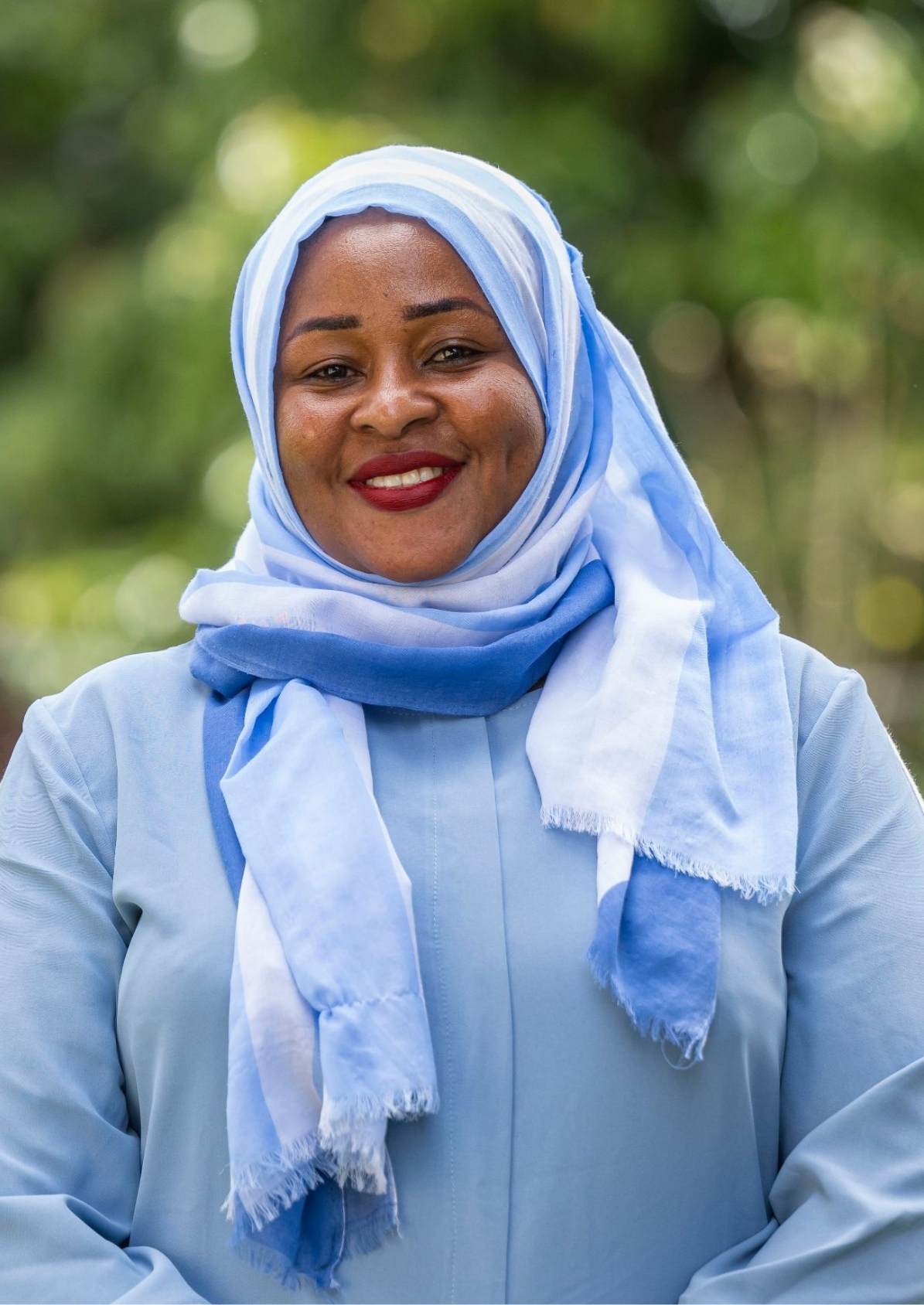
Khadija Luvuno Athman

Department of Health, Mombasa

Kwadwo Ansong

Ghana Health Service, Asunafo South DHD

Lillian Ngugi

Coast General Teaching & Referral Hospital

Lydia Kemunto Nyagwencha

Machakos County Referral Hospital
Manyu Simon Chesubei

Vihiga County Referral Hospital

Maureen Mutheu Kaloki

Pumwani Maternity

Olabisi Ogunbase

Lagos Health Service Commission, Eti Osa
Olga Nyamor

Kenyatta University Teaching, Referral & Research Hospital (KUTRRH)

Onaleye Omotayo Simeon

Lagos State Health Service Commission, General Hospital Lagos (Odan)
Paul Ndung'u

Kenyatta National Hospital

Paul Sila Malonza

Halisi Family Hospital
Ruth Molefhe

Orapa Mine Hospital (Debswana)

Stella Wanjiku Mburu

Mbagathi Hospital

Tabitha Muchendu

AIC Kijabe Hospital
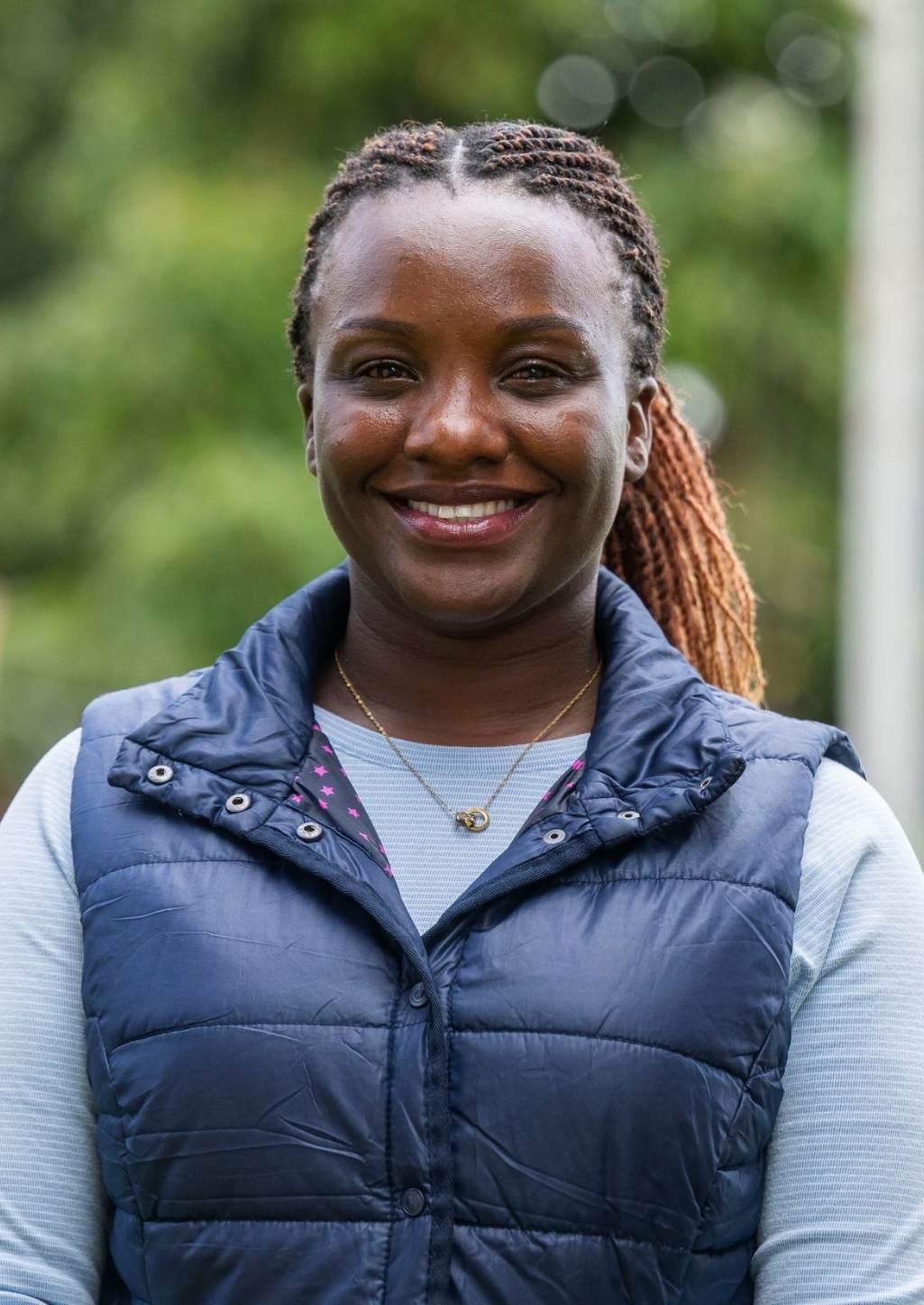
Wambui Makobu

AIC Kijabe Hospital

Wycliffe Kibunyi

Africa Healthcare Network, Kenya
Coaches’ Journey

Throughout the programme, coaches have strengthened the skills and mindset needed to guide teams through meaningful change. Their journey has blended coaching practice, reflective leadership, technical improvement knowledge, and peer learning. In doing so, they have grown not only as mentors, but also as leaders of improvement.

Coaches developed both the technical and relational skills needed to guide teams through improvement. They strengthened their understanding of coaching frameworks, improvement methods, and the A3 process, while also building capabilities in facilitation, team cohesion, and creating psychological safety. Alongside this, they deepened their leadership practice through reflection, emotional intelligence, and a focus on trust, motivation, and teamwork, enabling them to support teams more effectively in navigating real-world improvement challenges.

From the Pause and Reflect session onward, teams and coaches also went through the A3 Foundational Course, which is a practical, application-focused course designed for coaches and QI-PS teams implementing Quality Improvement and Patient Safety projects. It strengthens foundational thinking behind the A3 tool and the PDSA cycle, with emphasis on clarity, discipline, and alignment. 

Who Will Be Graduating?

The teams that successfully completed at least one PDSA cycle of their project and progressed through the A3 Foundational Course (up to 4.0) qualified to graduate and celebrate their success with the world, enabling other institutions to learn from their journeys.

Cohort 2 application

Application for Cohort 2 is currently open to teams which are interested in turning their theoretical knowledge into real action in their institutions. The program is open to healthcare workers across all cadres whose institutional teams completed the 2024/25 ACQUIRE Theory QI Leadership Course. (See a list of institutions that gained eligibility by having at least six staff members complete the theory course).

What Framework Is The Program Built On?

IHI Framework
Model for Improvement
What are we trying to accomplish?
How will we know that a change is an improvement?
What change can we make that will result in improvement?
PDSA Cycle
Act
Plan
Study
Do

A cornerstone of the Experiential Program is the Model for Improvement, which has two key parts:

  1. Three fundamental questions, which guide the aim, measurement, and change ideas.
  2. The Plan-Do-Study-Act (PDSA) cycle, which is used to test and adapt changes in practice.

The three questions the teams try to answer are:

  1. What are we trying to accomplish?
  2. How will we know a change is an improvement?
  3. What changes can we make that will result in improvement?

PDSA cycles turn these answers into action through small, structured tests. Each cycle builds on the previous one, allowing teams to learn quickly and adjust as they go.

The idea is simple;

  • Identify a problem
  • Develop small-scale interventions
  • Test the interventions
  • Learn from the findings and refine your approach
  • Test again as you scale what works

In hospital settings, PDSA cycles support safe experimentation, rapid learning, and adaptation to local context; making them especially suitable for complex healthcare environments. This also means that, for you to have continuous improvement, you do not need extra resources; all you need is time and willingness to learn the tools used in PDSA cycles.

Where Does the Experiential Program Begin?

The ACQUIRE QI-PS Experiential Leadership Program journey starts with healthcare workers who have completed the ACQUIRE Theory Leadership Course, which equips frontline healthcare workers with the theoretical groundwork and core principles in Quality Improvement and Patient Safety (QI-PS).

Once the teams complete the theory course, they then qualify to join the Experiential Program and begin improving the quality of care within their institutions. At its core, the Experiential Program is composed of multidisciplinary frontline healthcare teams, coaches, and lead coaches.

The Experiential Journey: Becoming a QI-PS champion

Each Experiential team is assigned a coach to guide them through their Experiential journey; which includes:

  • Weekly physical sessions within institutional teams to advance their improvement work
  • Bi-weekly virtual sessions with mentor-coaches and peer teams to reflect, learn, and troubleshoot collectively.

With guidance from their coach, a team identifies a problem that they would like to address in their institution, and begins the journey of progressively improving it. Coaches are also supported by the lead coaches, ensuring that there are multiple levels of guidance for the experiential teams.

To help them structure their journey, teams use the A3 tool which helps them summarise the improvement project in a clear, single-page format. It also promotes clear thinking, shared understanding, and alignment throughout the project.

Project Title
Sponsor(s):   Last Updated: X/XX/20XX
Leader(s):    Coach:
Other Team Members:
Problem Statement
This is problem statement in 1-2 sentences
Background
This is the rationale on why we need to do it now
Target State: SMART Goal
SMART goals are Specific, Measureable, Achievable, Relevant, and Time-bound.
Current State: Identify Target / Actual / Gap
Observe & document current state
  • Get baseline data
  • Develop a process map
Analysis
Brainstorming & prioritising the problem
Fishbone, pareto charts and/or 2x2 matrix
Key Drivers
Interventions / Countermeasures
Sustain Plan
Activity to sustain Owner Sustain method and frequency Report to
Reliability Level:

(1) Individuals: Feedback, checklists, training, basic standards
(2) Procedures: Embedded standard work, reminders, constraints
(3) Systems/culture: Process redesign, built-in quality, automated systems, fail safes, physical structure, social norms, "mindfulness"

Maturity Bars:
0: Untested idea
1: Early tests / PDCA
2: Multiple PDCAs
3: Early implementation
4: Working well in operation
Progress
Barrier
Abandoned

Every bi-weekly virtual session is used to review the progress documented on the A3 tool. This shared learning enriches the experience; further improving the quality of care offered to patients.

What Success Looks Like: A New Way of Working Begins

By the end of the 16 week learning journey, the QI-PS teams are expected to have completed at least one PDSA cycle; meaning they have:
identified a problem,
selected interventions to address it,
tested the intervention on a small scale, and
learnt from the results.

At this stage, they can proudly call themselves QI-PS champions.

The program culminates in a virtual graduation ceremony where participating institutions celebrate their progress and share their improvement projects with a wider audience.

After the program, QI-PS teams are encouraged to use their sustainability plan and continued access to their coaches to implement subsequent PDSA cycles, which involve using the lessons from the first cycle to refine and scale successful interventions across their institutions, and applying the same principles to identify and address other problems.

What Impact Are We Seeing?

Since the launch of the ACQUIRE QI-PS Experiential Leadership Program in 2025, more than 20 teams across Africa have successfully implemented QI-PS interventions supported by practical sustainability plans. Projects have included improving hand hygiene compliance, increasing frequency of documentation and reduction of patient turn-around-times within facilities.

Our success stories have been documented here.